Doing the work in it
Wind is the first enemy. A canvas on an outdoor easel acts as a sail: even a moderate gust can tip the whole apparatus, and painters working on larger formats found the problem serious enough to carry rocks or sandbags as ballast. The solution that eventually circulated — pegging the legs of the portable easel to the ground with spikes — was a practical field modification, not a manufacturer's feature.
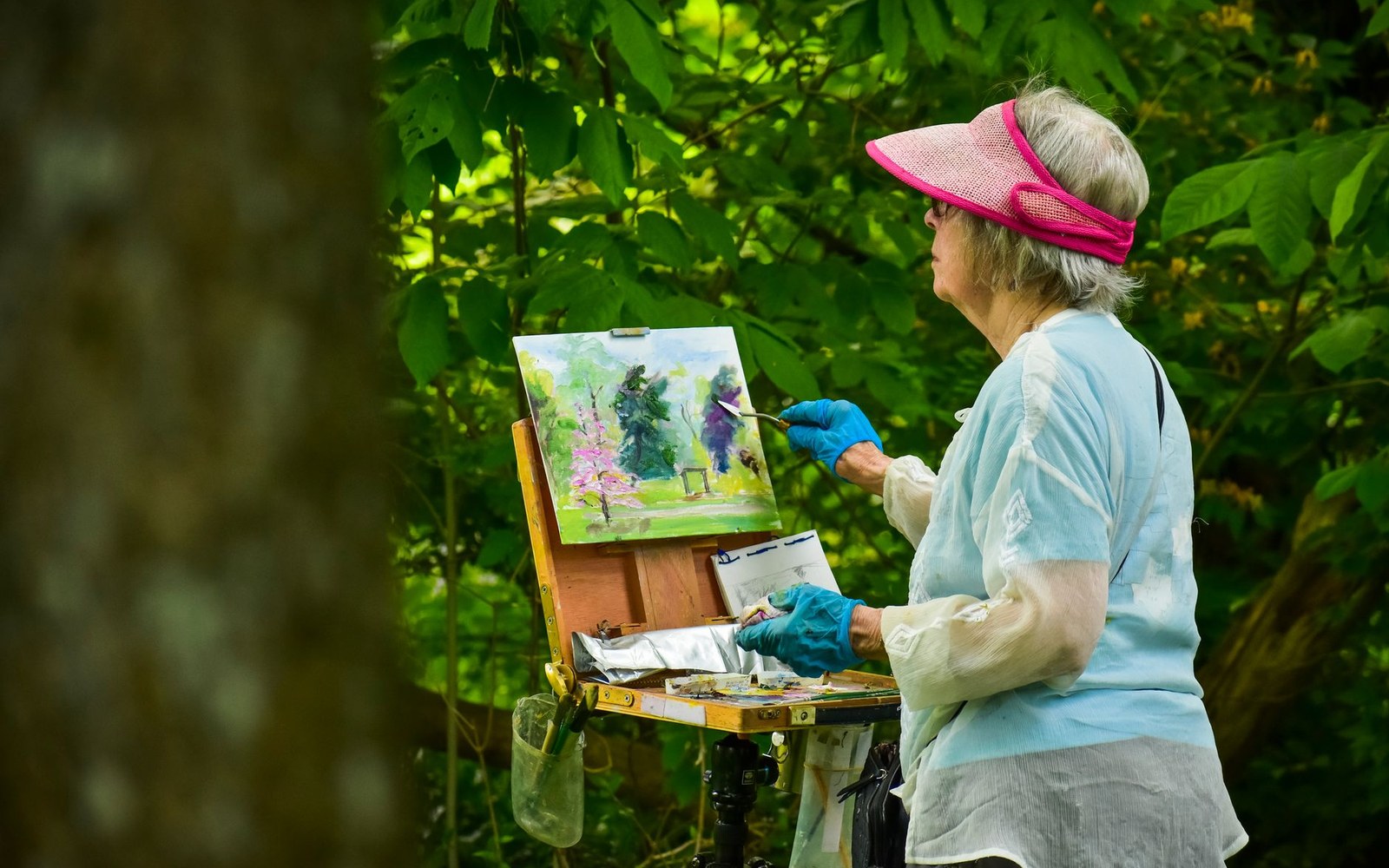
Rain is worse, because it attacks the paint itself. Wet weather raises the humidity around an oil ground, slows drying unevenly, and can streak a freshly laid surface beyond recovery. Painters working in the open learned to read the sky not as a subject but as a production schedule: the session had to be closed out and the canvas sheltered before the first drops arrived. A cloth or an improvised tent over the work bought minutes, rarely more.
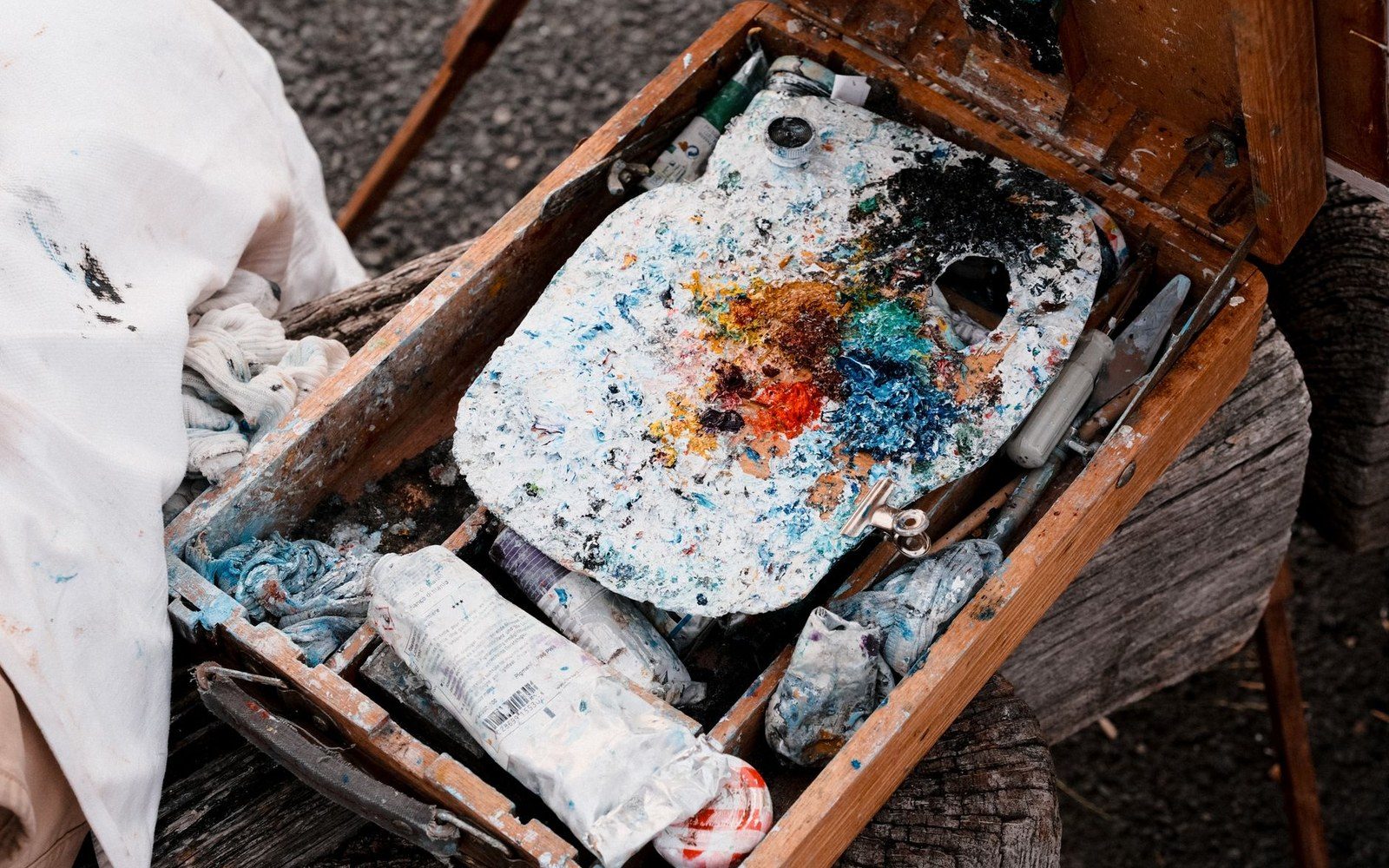
Cold thickens oil paint in the tube and on the palette. Below a certain temperature, linseed and walnut oil become sluggish enough that the paint stops flowing the way a painter expects, and the handling changes. This mattered especially for painters whose technique depended on wet-into-wet blending — cool air slowing the paint's consistency mid-session could force them to work faster or to use a leaner, stiffer mixture than intended. Turpentine helped thin the paint back out, but that adjustment changed the paint film's long-term stability.
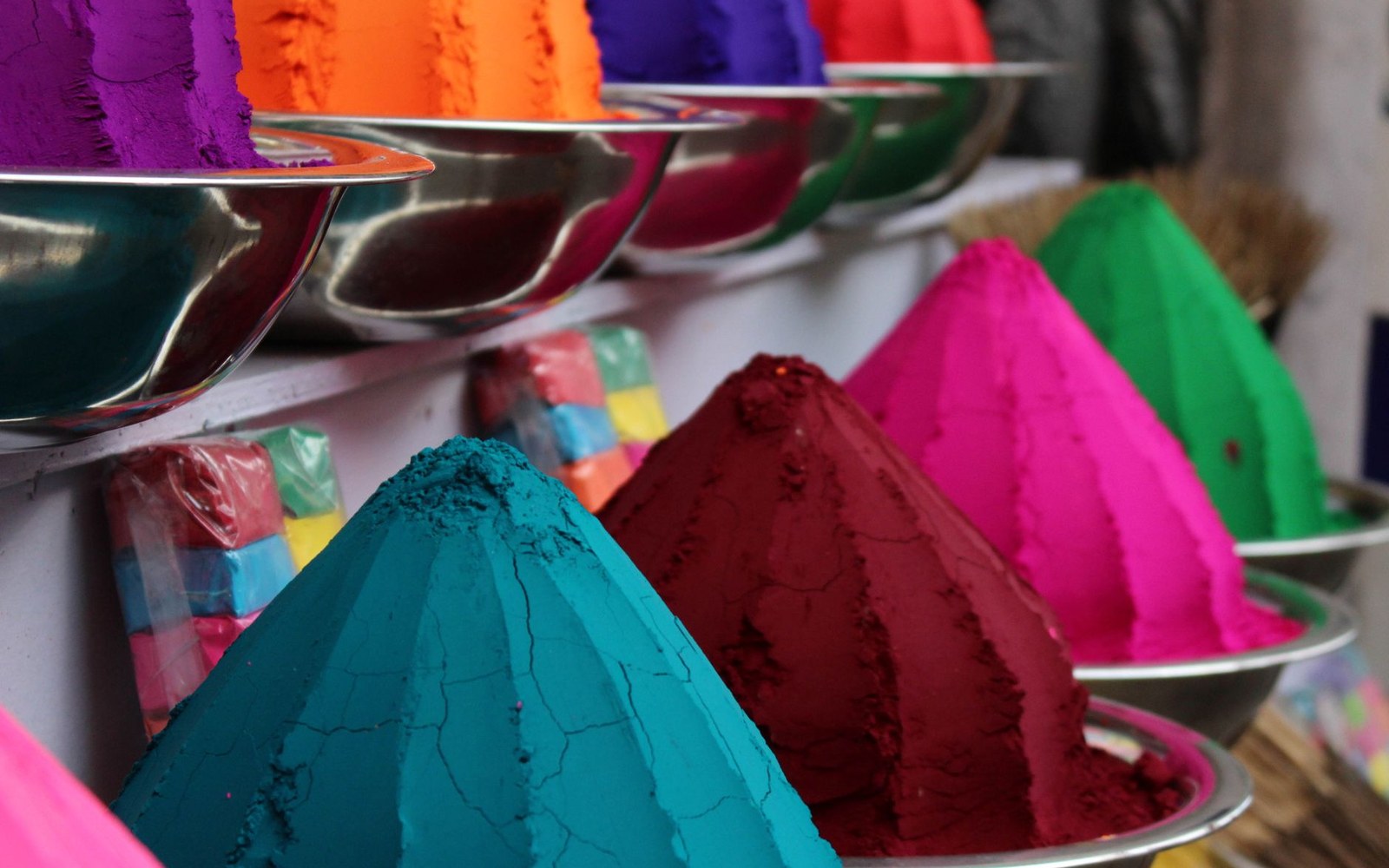
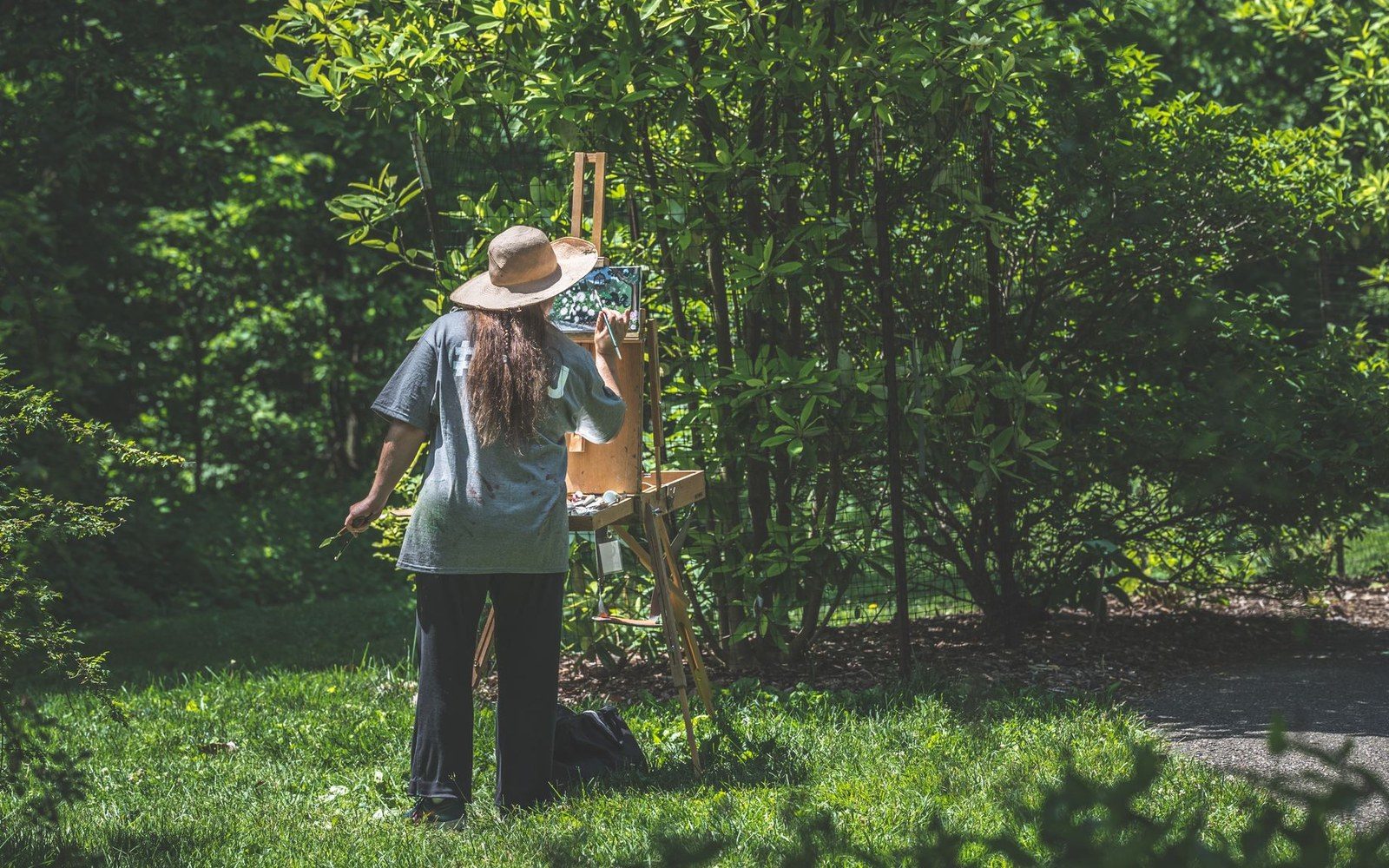
Heat and direct sun create the opposite trouble. Strong sunlight dries the surface layer before the underlayer has cured, which risks cracking. It also makes colours read differently in the field than they will on a studio wall — warm light pushing everything toward yellow, bleaching shadows, collapsing the tonal range the painter is trying to capture. Working with the back to the sun was a practical response, keeping the painting surface in shade and the subject in full light.
None of these are subjects. They are constraints — the kind that shape how long a session can run, how much paint is laid down, and whether what comes back to the studio is a finished work or a note to be reworked indoors. The collapsible tube solved the problem of carrying wet paint; it solved nothing about the sky.
Conditions and their effects
- Wind
- topples easels; painters ballasted legs with rocks or stakes
- Rain
- raises humidity, streaks wet oil, forces early closure of the session
- Cold
- thickens oil paint, disrupts wet-into-wet handling, alters paint film if compensated with excess turpentine
- Heat and direct sun
- dries surface ahead of underlayer, shifts colour temperature, risks cracking
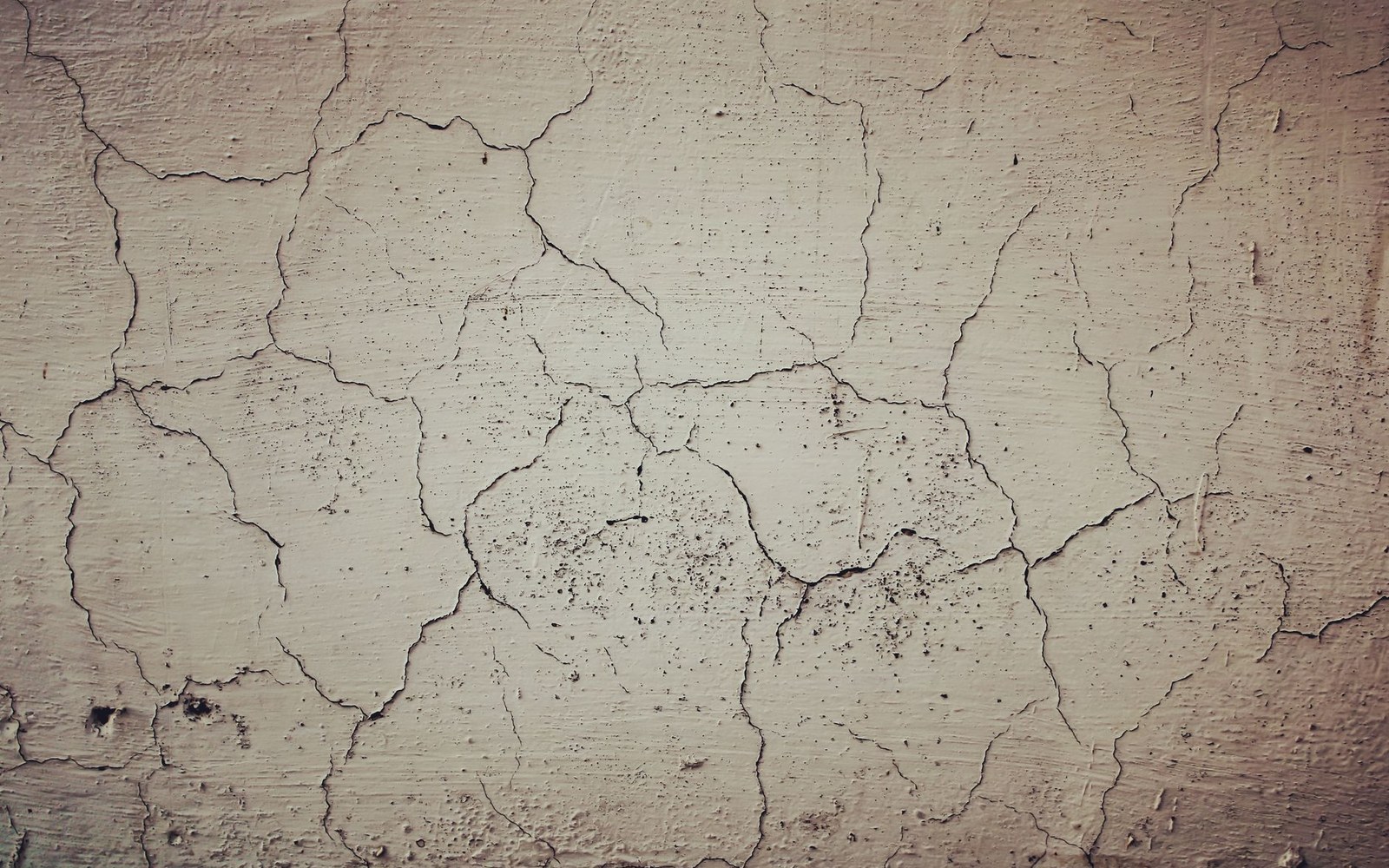
Raking light does the reading for you — the cracks follow the weave of the support and the drying of the layers above it.
Photo: Satyam Sanghal / Pexels
Where the sources disagree, this entry sets the disagreement out rather than resolving it. Nothing here is ranked as greatest or most important; corrections are welcome and are logged at the foot of the entry they change.