The claim and its consequences
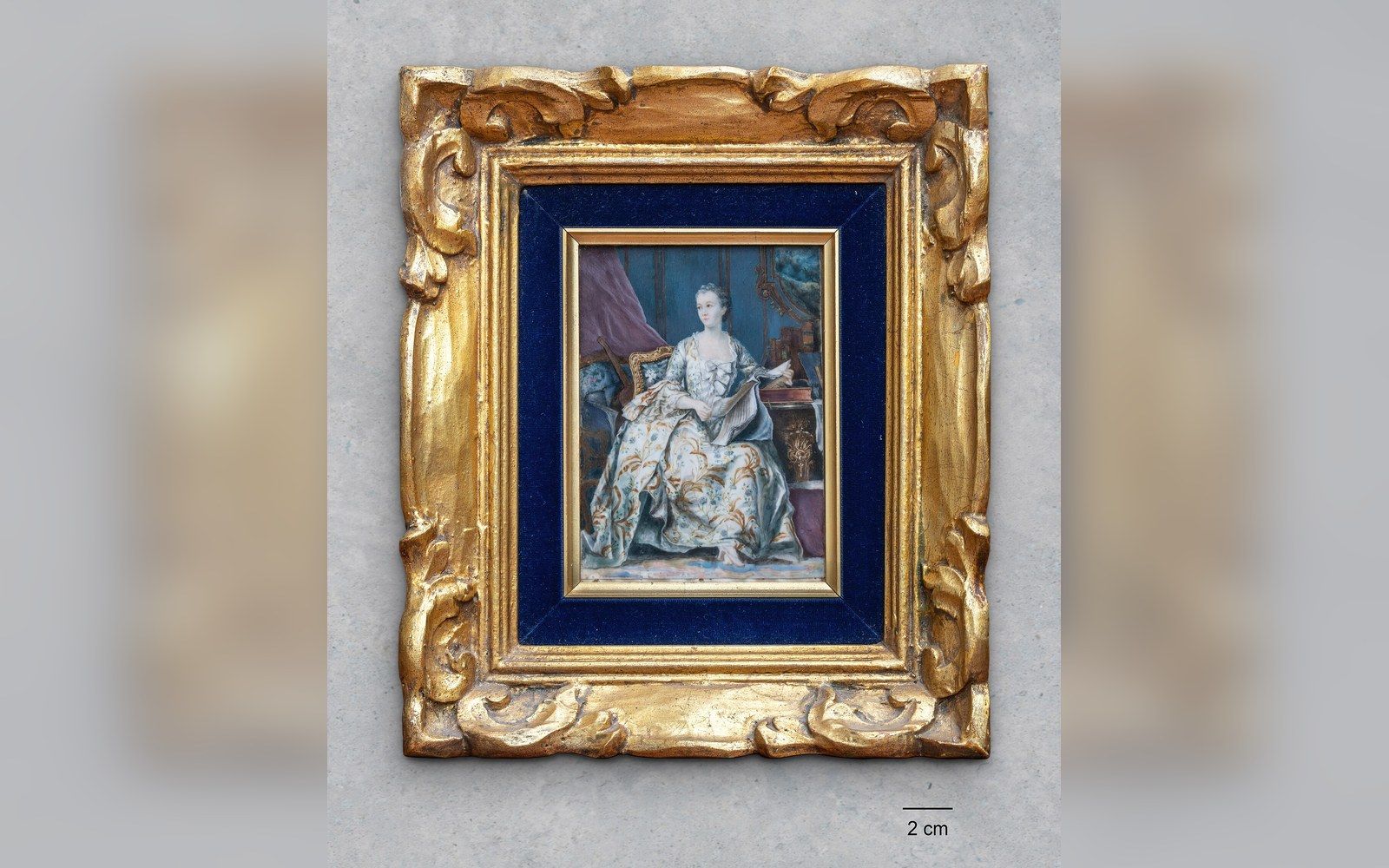
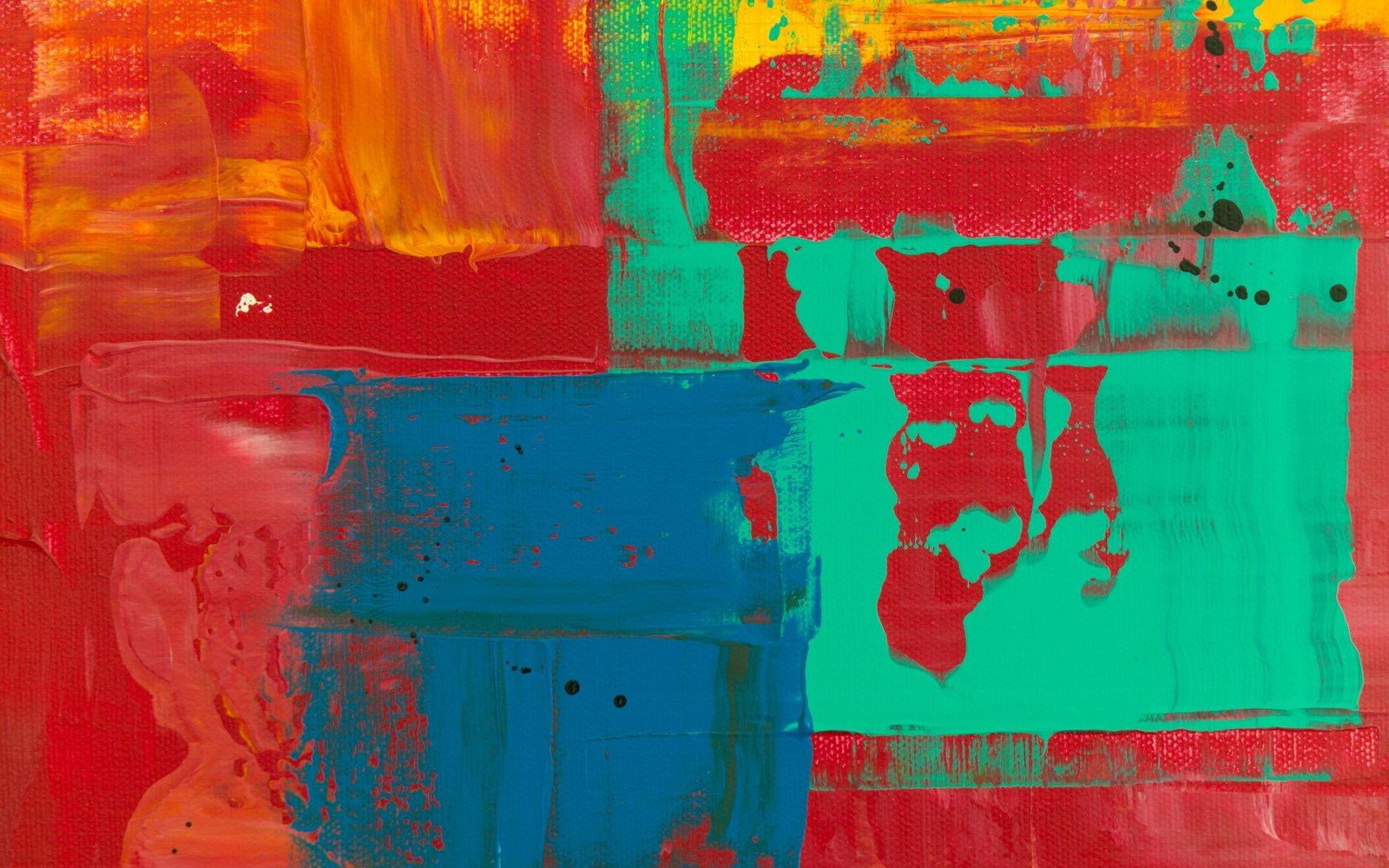
The argument is simple to state and radical to follow: a painting is pigment on a flat support, and acknowledging that fact honestly means refusing to pretend otherwise. Every illusion of depth, every trompe-l'œil shadow, every recession into a painted distance is, on this account, a kind of lie — or at least a category error that borrows its prestige from sculpture and theatre rather than earning it from painting's own terms.
The case was made most systematically by the American critic Clement Greenberg in the mid-twentieth century, drawing on a longer history that runs back through Cézanne's tilted planes and Manet's flattened modeling to the point where illusionist space began to feel like a convention rather than a necessity. For Greenberg, each art form's seriousness depended on its fidelity to its own material conditions. Painting's irreducible condition was the flat, bounded surface. Anything that denied that — narrative, shadow, the Renaissance vanishing point — imported values from outside the medium.
The practical consequences were severe. If depth is ruled out, so is the figure occupying coherent space. Modeling in light and dark reads as an attempt to suggest a third dimension and therefore becomes suspect. Colour theory steps forward, because colour relationships across a surface can be organized without invoking space at all. The canvas stops being a window and becomes, as Frank Stella put it in another context, something that presents itself as an object rather than depicting objects.

What this position excludes matters as much as what it permits. Likeness, in the sense of a recognizable person or place, is almost impossible to sustain without some illusionist scaffolding — some modeling, some recession, some difference between figure and ground that reads spatially. Flatness, taken seriously, makes portraiture philosophically awkward and landscape nearly untenable. The painter who accepts the argument is left with colour, edge, shape, and the literal rectangle of the support — a stripped kit that turns out to be demanding precisely because it refuses the shortcuts that pictorial convention supplies.
Chronology
- Manet's flattened modeling1860s, departing from academic chiaroscuro conventions
- Cézanne's tilted planesbroadly 1870s–1900s, dissolving coherent perspective
- Greenberg formulates "optical" flatnessmid-twentieth century, codified in essays of the 1940s–60s

The kit as it was actually bought — ready-ground colour in closable tubes, laid out in the order the painter works.
Photo: ROMAN ODINTSOV / Pexels
Where the sources disagree, this entry sets the disagreement out rather than resolving it. Nothing here is ranked as greatest or most important; corrections are welcome and are logged at the foot of the entry they change.