A Box with Legs
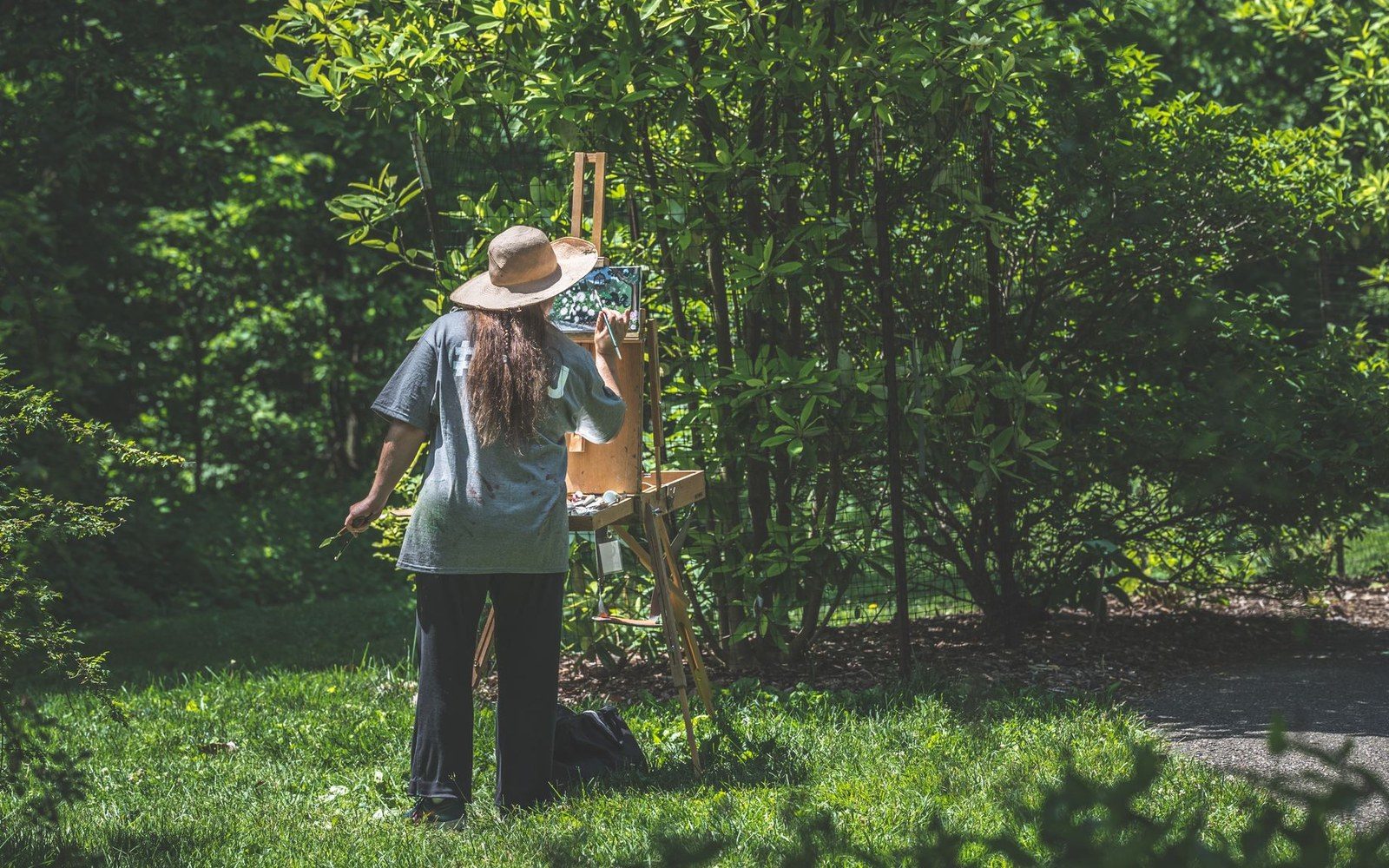
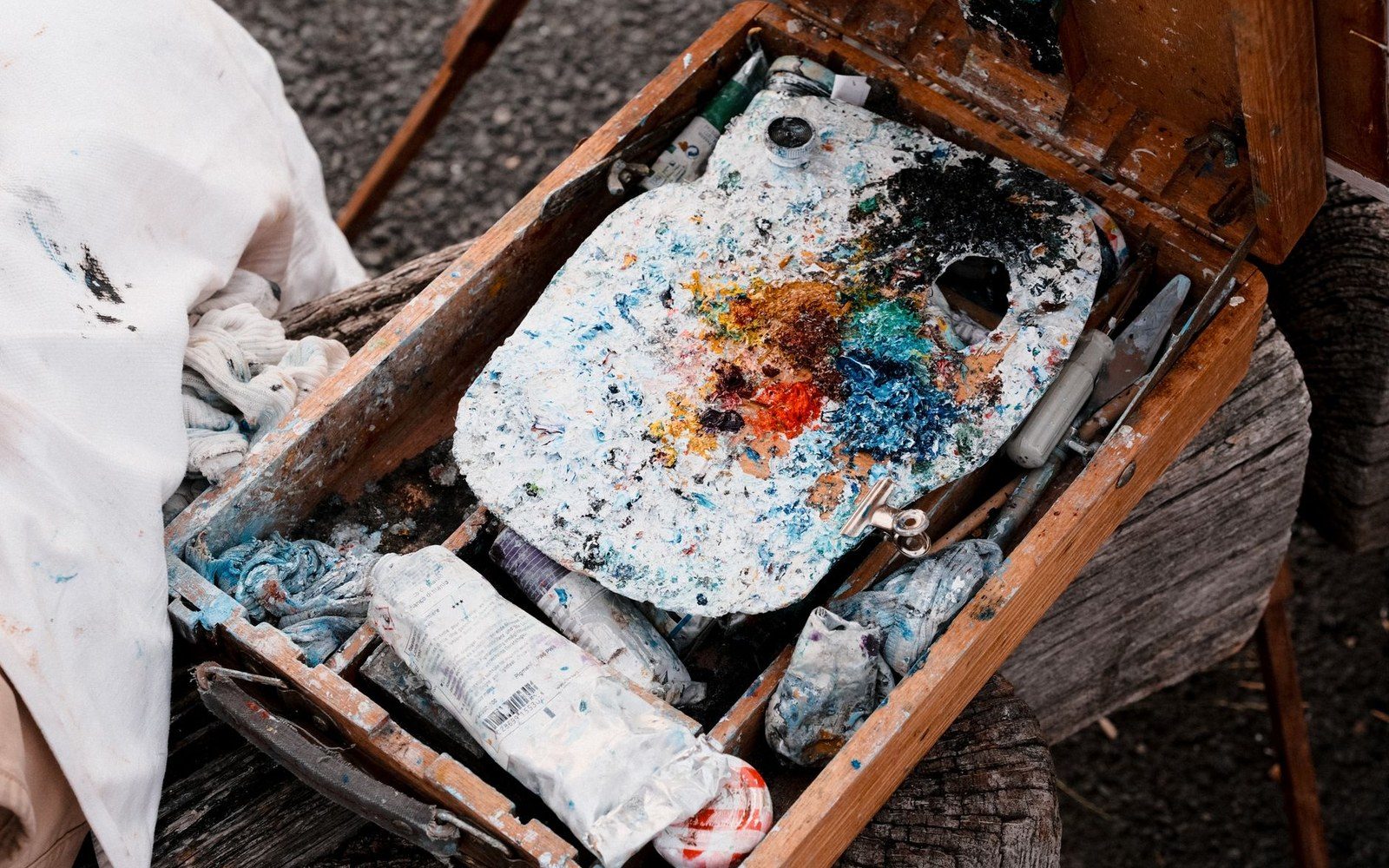
The French box easel — the boîte à peinture, hinged open to reveal a shallow palette drawer and a telescoping upright — answered the painter's needs for support, palette and portability at once. The design dates to the mid-nineteenth century, when railways were opening the countryside and the demand for portable equipment was real enough to sustain manufacturers in Paris supplying it to a growing market of professional and amateur painters alike. The box sits on a tripod, accepts a canvas or panel in an adjustable clamp, and collapses for travel. It was, in effect, a workbench you could carry on one shoulder.
For panel painters the problem was simpler: a small wood or primed-paper panel fits inside a sketchbook, and a cigar-box of pigments will do the rest. The pochade box — pochade from the French for a quick sketch — kept things minimal on purpose. You were after the effect, not the finished picture, and a panel small enough to slip into a coat lining dried by the time you reached the studio.
Canvas complicated everything. Stretcher bars add weight; the painted surface stays tacky for hours. The Victorian solution was the porte-toile — a wooden frame that gripped two canvases face-to-face so the wet paintings couldn't touch each other or anything else. Elegant enough in theory; it still meant carrying a damp, awkward rectangle through a field.
Size was the hard limit that no hardware solved. A canvas a painter can set up alone outdoors, paint in a single session, and carry home without help is almost always under half a metre in any direction. The large exhibition canvases of the Barbizon painters were made in the studio from field studies precisely because that constraint was absolute. The portable easel enabled the sketch; the studio turned the sketch into the picture.
Chronology
- Mid-nineteenth centuryFrench box easel commercially available in Paris
- Same periodrailway networks open rural subjects to urban painters, driving demand for portable equipment
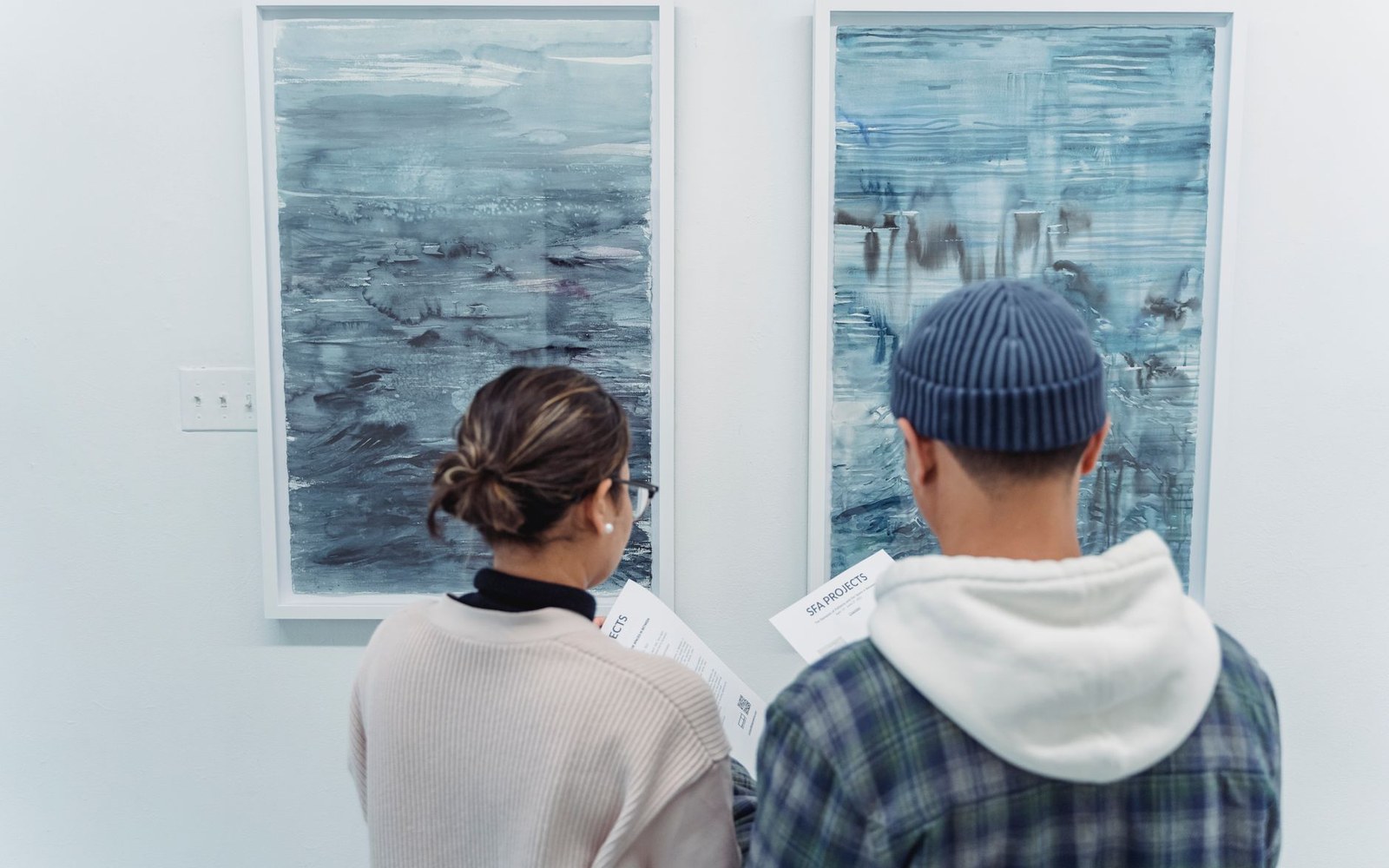
Standing distance is part of the work: a canvas sized to the wall asks the body to move back until the picture resolves.
Photo: Greta Hoffman / Pexels
Key equipment
- Boîte à peinture (French box easel)
- hinged box with palette drawer and adjustable upright, on a folding tripod
- Pochade box
- minimal version for small panels; valued for speed and lightness
- Porte-toile
- frame that sandwiches two wet canvases face-to-face for transport
Where the sources disagree, this entry sets the disagreement out rather than resolving it. Nothing here is ranked as greatest or most important; corrections are welcome and are logged at the foot of the entry they change.