The market ruptures
The daguerreotype arrived in 1839 and the carte-de-visite format, introduced commercially by André Adolphe-Eugène Disdéri in the 1850s, made the problem structural. A sitter could have dozens of small albumen prints run off a single negative for a fraction of what a painted miniature cost. By the 1860s studios across Paris, London and New York were producing likenesses by the tens of thousands. The painted portrait did not disappear, but its economic ground shifted permanently beneath it.
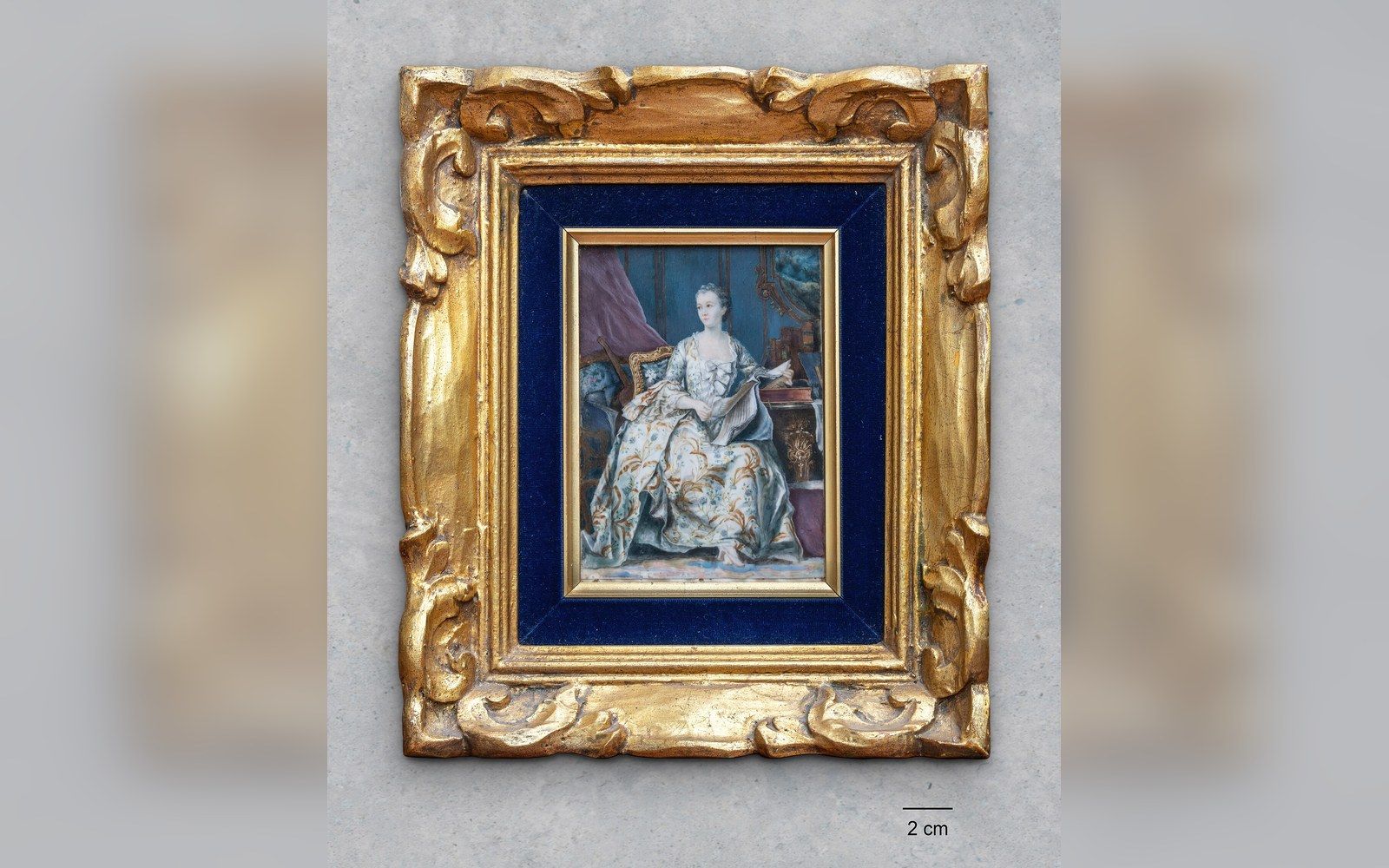
What photography could not deliver — at least not yet — was colour, scale, and the social performance of having commissioned an artist. Painted portraiture retreated upward. The bourgeois market that had sustained miniaturists and small-scale oil portraitists thinned out; the trade that survived was the grand commission: the full-length for the staircase, the alderman above the mantelpiece. Photography took the middle; painting kept the top.
The argument from interiority
Having ceded the documentary role, painters had to make a different claim, and the claim they landed on was psychological depth. What the camera froze, the argument went, was the surface and a single instant; the painter could know the sitter across multiple sessions and render something less legible but more true. You can feel this pressure in the portraits of Édouard Manet — the sitter tends to look past the viewer or into some private distance, a refusal of the posed composure that studio photography required. The camera demanded stillness; paint could afford motion, ambiguity, even unease.
Thomas Eakins pushed this further. His portraits, systematically uncharming, were reportedly declined by the very sitters who commissioned them, because he appeared more interested in recording than flattering. He was working directly against the social contract that portrait painting had always honoured. Photography, paradoxically, made that refusal visible as a position: once the cheap likeness existed, a painter who chose to go further was making a legible argument, not just doing his job.
The same pressure reached Impressionism obliquely. When Edgar Degas painted figures in mid-gesture or cut a composition with a cropping borrowed from both photography and Japanese prints, he was registering the fact that the frozen instant was now a photographic convention. Painting could distinguish itself by claiming everything that happened before and after the shutter: duration, memory, accumulated looking.
What the commission became
The social logic of the painted commission shifted too. Sitters who still wanted paint were implicitly paying for a statement — about status, about seriousness, about refusing to be merely documented. This meant that painters had more latitude than before, because the patron's decision to commission was itself a declaration. The picture could carry more of the painter's agenda without being rejected as simply bad value, because the alternative (photography) was plainly and cheaply available.
This latitude showed up in scale and handling. John Singer Sargent's bravura brushwork — the streaked highlight, the summary background — reads in part as proof of craft, a demonstration of what a hand trained over years could do that no lens could replicate. The looseness was the argument. Paint applied quickly and visibly was the opposite of the camera's indiscriminate, instantaneous capture of everything in the frame.
By the end of the nineteenth century, painted portraiture had become a self-conscious genre in a way it had never needed to be when it monopolised the likeness trade. Every formal decision — whether to go loose or tight, frontal or averted, finished or raw — carried an implicit commentary on why paint rather than photography. The camera did not kill the painted portrait; it made every painted portrait a position statement, and positions have to be defended.
Chronology
- 1839daguerreotype process announced publicly in Paris
- 1850sDisdéri commercialises the carte-de-visite format; mass-market portrait photography begins
- 1860scarte-de-visite studios operating at industrial scale across Europe and North America
- Late 19th centurypainted portraiture consolidates at the upper end of the market; looseness and bravura handling become distinguishing markers
Painting could distinguish itself by claiming everything that happened before and after the shutter: duration, memory, accumulated looking.
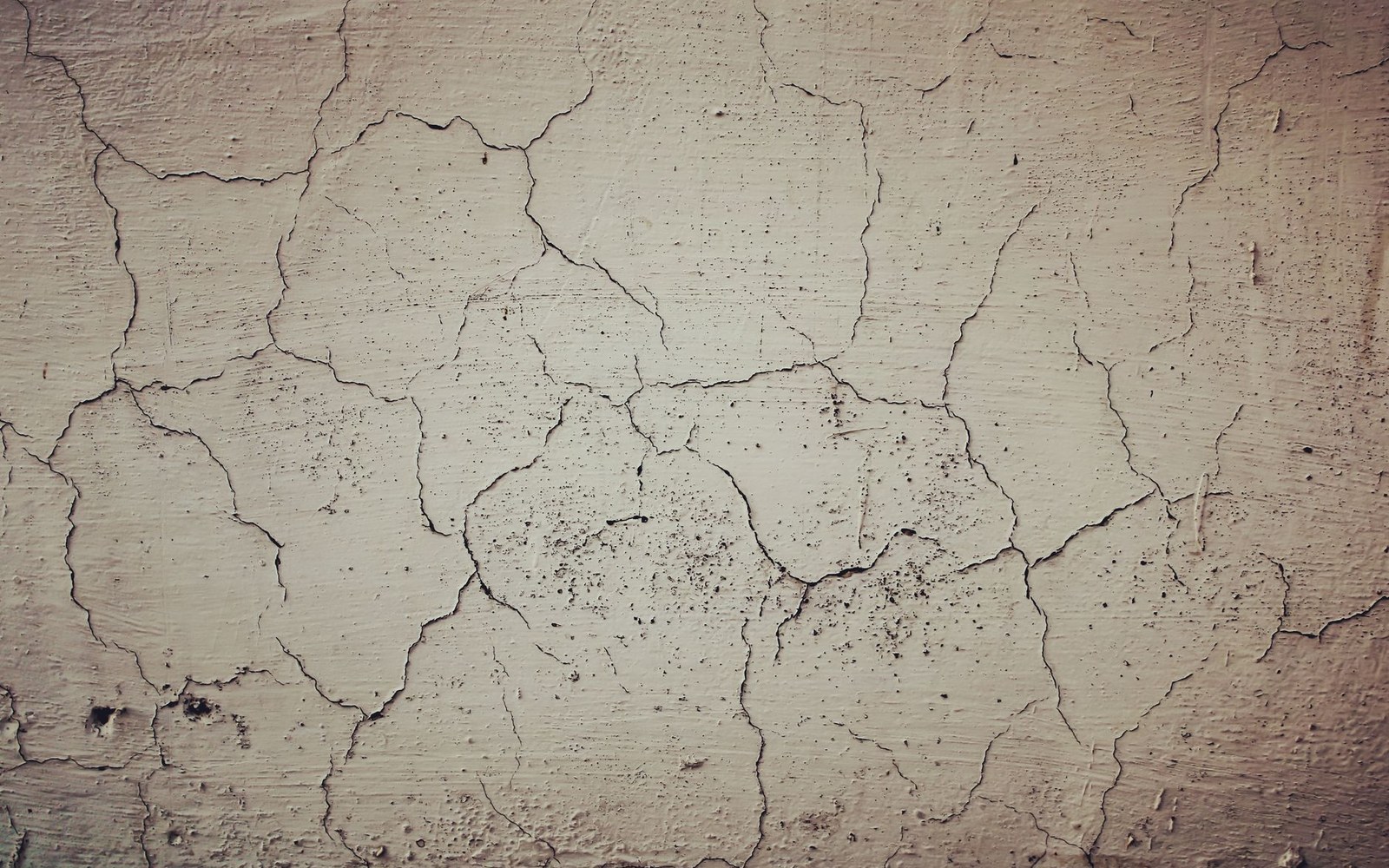
Raking light does the reading for you — the cracks follow the weave of the support and the drying of the layers above it.
Photo: Satyam Sanghal / Pexels
What changed for painters
- —
- The middle market (miniatures, small oils) largely absorbed by photography
- —
- Grand commissions persisted but became status performance rather than documentary necessity
- —
- Painters gained licence to emphasise psychological complexity over flattery
- —
- Visible brushwork became a proof-of-craft argument against the camera's mechanical capture
Where the sources disagree, this entry sets the disagreement out rather than resolving it. Nothing here is ranked as greatest or most important; corrections are welcome and are logged at the foot of the entry they change.