What survives is mostly not what was made
Marcel Duchamp's Fountain — a commercial urinal submitted to the 1917 Society of Independent Artists exhibition in New York — was never returned to its sender. It disappeared, probably thrown out. The photograph Alfred Stieglitz took for The Blind Man is the only contemporary record of the object. Every "original" Fountain in a museum collection today is an authorised replica made from the 1960s onward, most of them produced in an edition of eight under Duchamp's own supervision.
The same is true of the early hat rack, the bottle rack, the snow shovel (In Advance of the Broken Arm). The bottle rack Duchamp bought at the Bazar de l'Hôtel de Ville in Paris around 1914 was left behind when he moved to New York, and his sister apparently discarded it. The objects were ordinary hardware; no one had yet agreed they were art, so no one preserved them as art.
This creates a real problem for what the claim was. The readymade's stated argument rested on the unmodified commercial object — the specific thing chosen, in its found condition. A fabricated replica authorised decades later has a different ontological status than the original selection, however careful the recreation. The replica was made, in the conventional sense; the original was chosen. That distinction is the whole point.
What the editions did accomplish was institutional stabilisation. Museums could acquire and display objects that carried Duchamp's authority, and the editions entered the canon on that basis. The conceptual structure survived even if the objects did not — but it survived partly because the documentation (Stieglitz's photograph, Duchamp's correspondence) could stand in for the missing things. That substitution was itself something new: the record authorising the reconstruction, the reconstruction entering the collection, the collection confirming the record.
Object status
- authorised replica
- a reconstruction made under the artist's approval, distinct from the original selection; the standard form of most readymades in public collections
- edition of eight
- the number of Fountain replicas Duchamp authorised in the 1960s through the dealer Arturo Schwarz
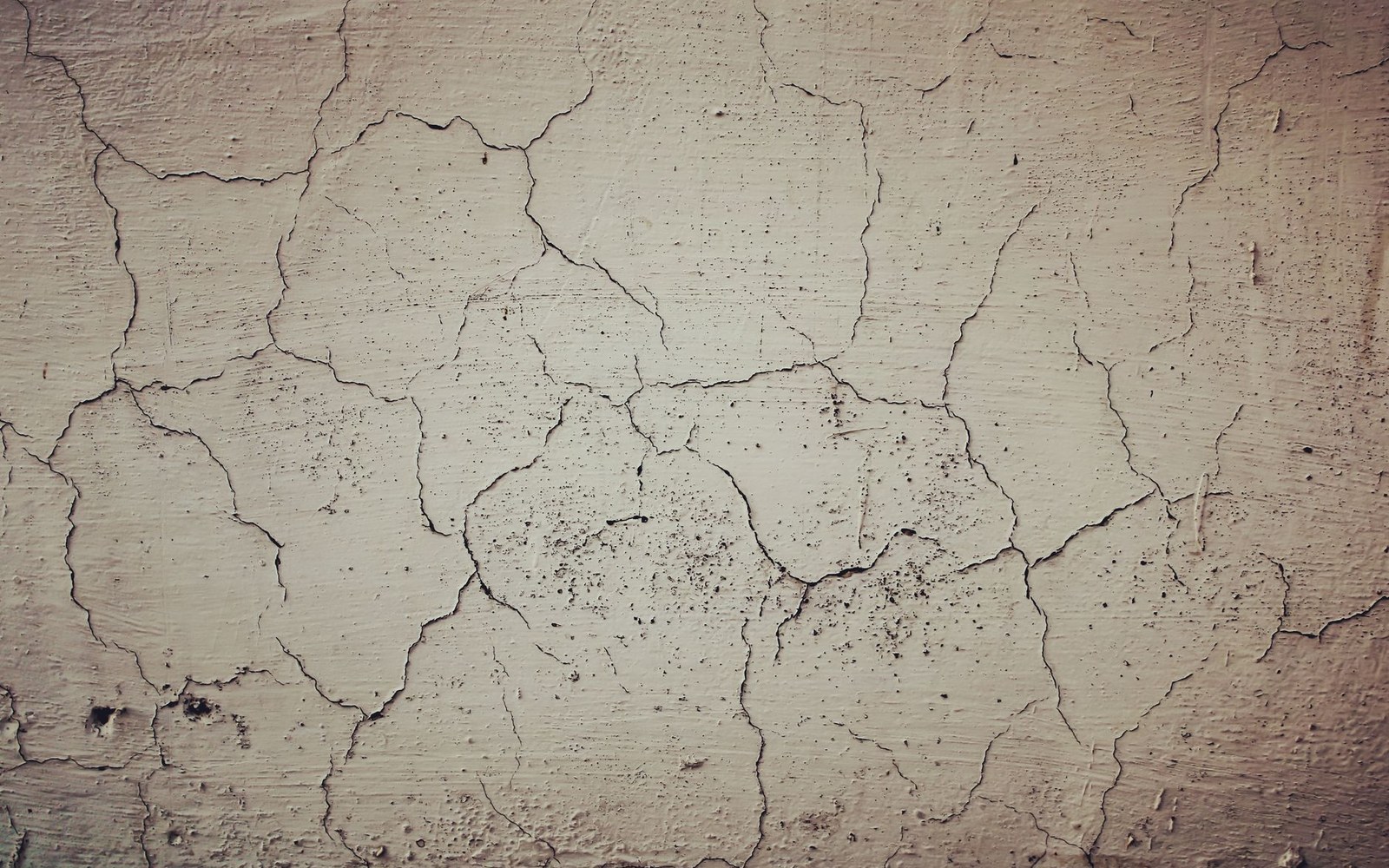
Raking light does the reading for you — the cracks follow the weave of the support and the drying of the layers above it.
Photo: Satyam Sanghal / Pexels
Chronology
- 1914bottle rack purchased, Paris; later discarded
- 1917Fountain submitted to Society of Independent Artists, New York; disappears
- 1917Stieglitz photographs Fountain for The Blind Man
- 1960s onwardauthorised replica editions produced under Duchamp's supervision
Where the sources disagree, this entry sets the disagreement out rather than resolving it. Nothing here is ranked as greatest or most important; corrections are welcome and are logged at the foot of the entry they change.