The clock the sky sets
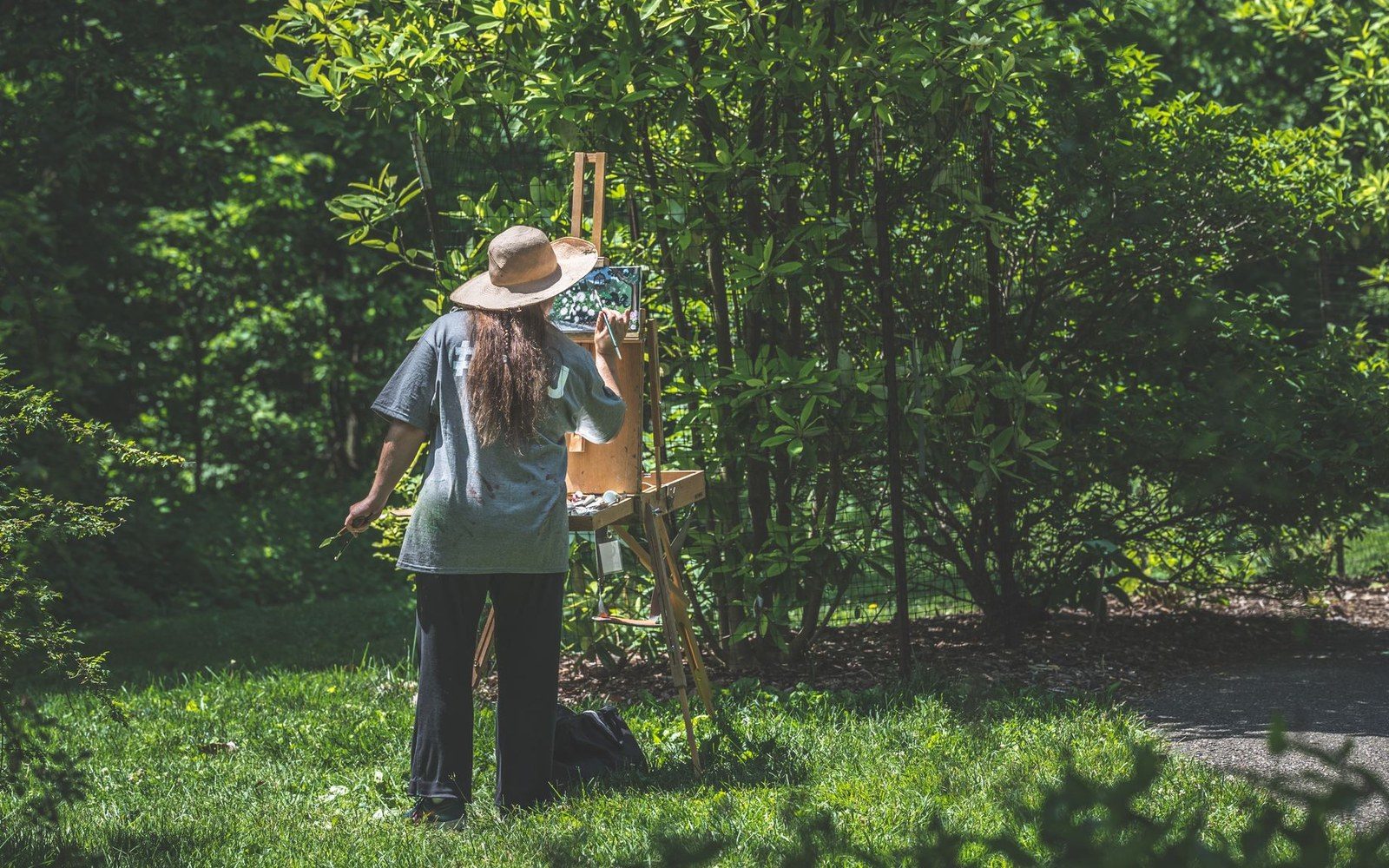
When a painter works outside from a fixed viewpoint, the sun moves roughly fifteen degrees every hour. Shadow edges migrate, color temperature shifts from warm to cool as noon passes, and the tonal range of the scene compresses or opens with cloud cover. A session of two or three hours is about the practical limit before the light has changed enough to invalidate what was already laid down. That hard ceiling forces a particular way of painting: broad decisions first, incident later, and no reworking that cannot be completed before conditions shift again.
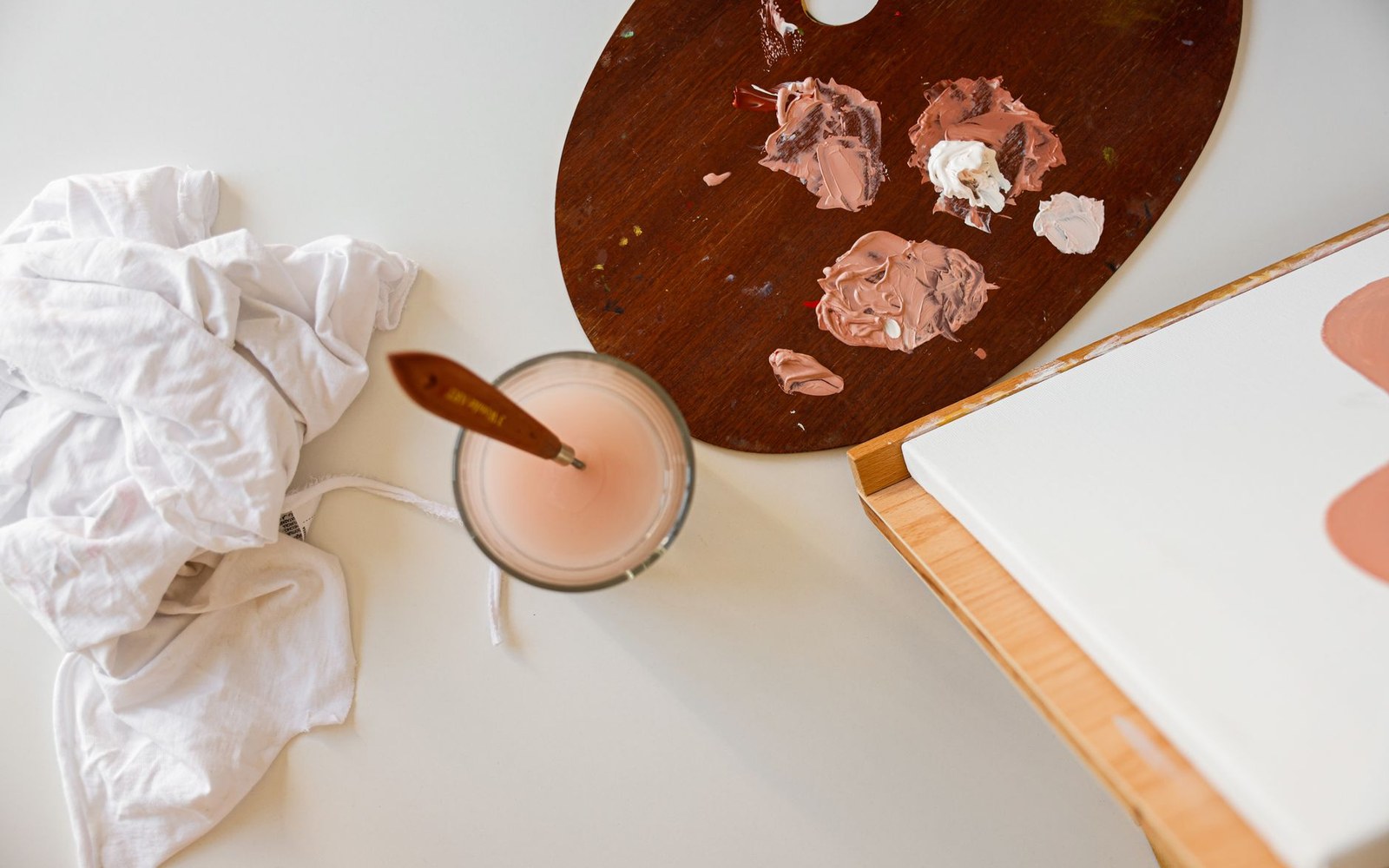
The consequences reach into the paint itself. Strokes that might be blended or corrected on a studio canvas have to stand. The painter learns to mix close to the right value before touching the support, because scraping back and rebuilding costs time the session cannot afford. What looks like bravura handling in finished plein-air (open-air) work is often the residue of necessity rather than stylistic preference — the loaded brush dragged once rather than worked, because working it twice was not an option.
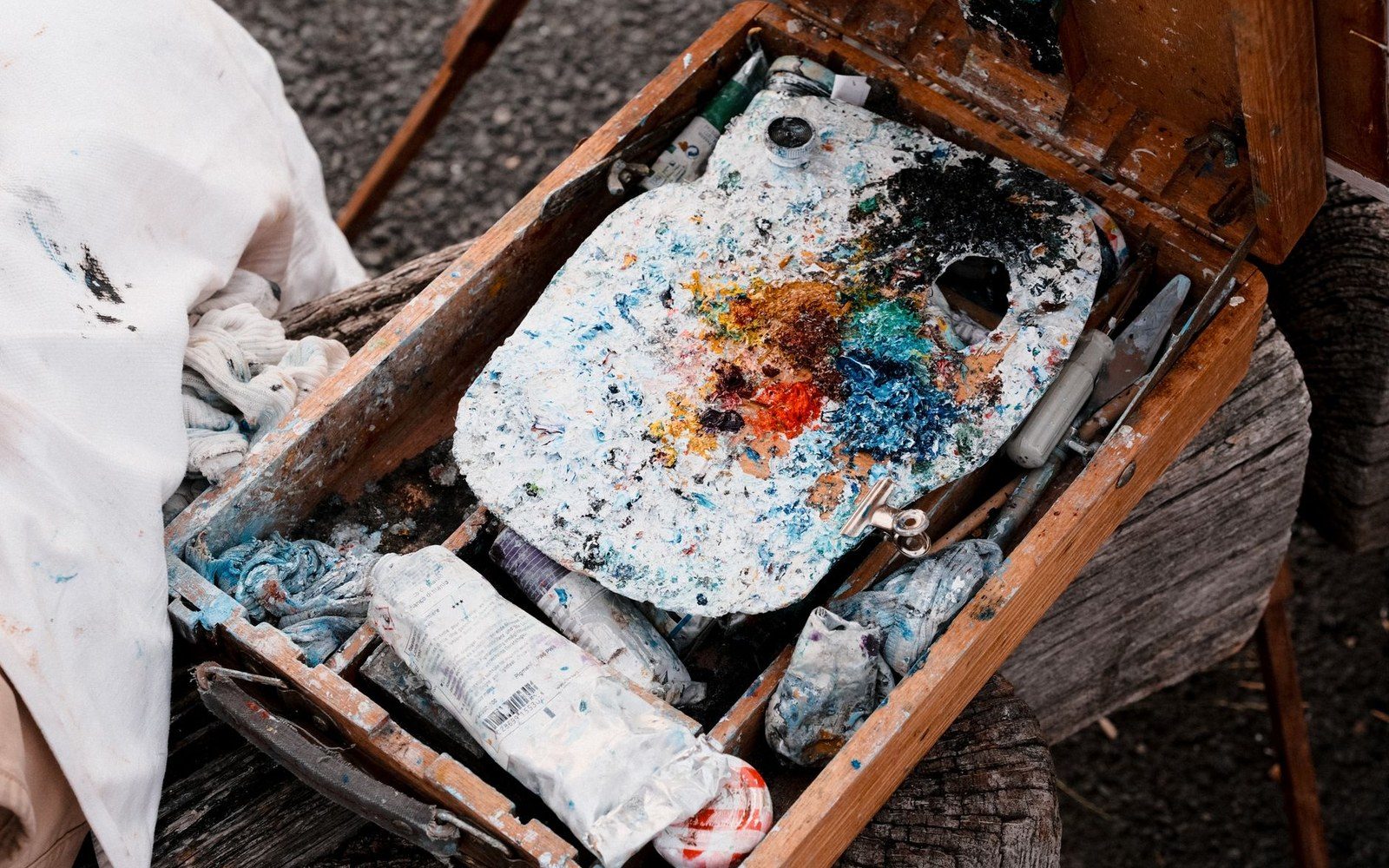
Surface texture follows from the same pressure. Paint laid quickly and left tends to hold the marks of the tool: the ridges of a bristle brush, the smear of a knife, the exact path of a single gesture. This is why so many outdoor studies have a physical immediacy that their studio enlargements lack. The enlargements were made slowly, and the slowness shows.
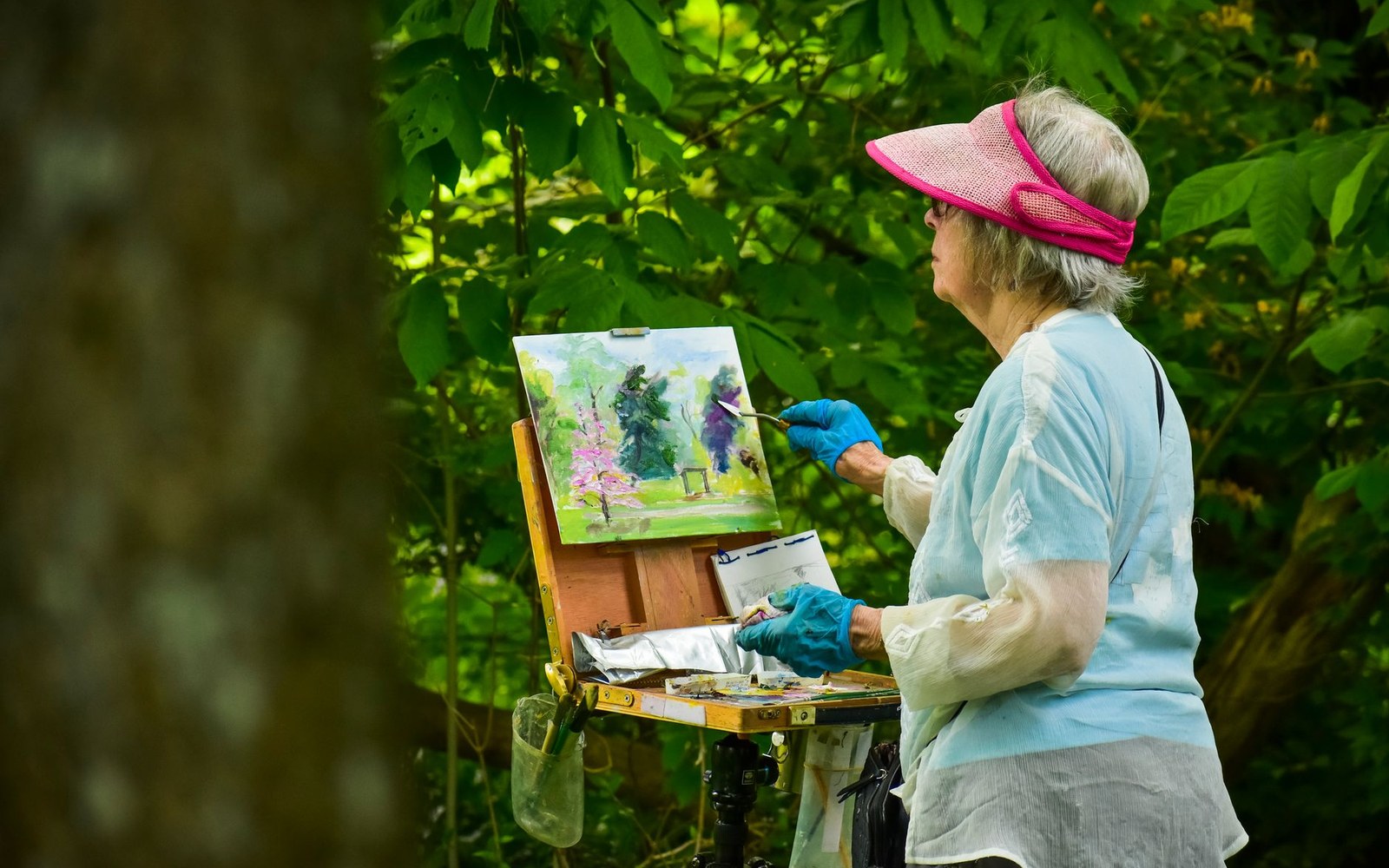
What the materials allow
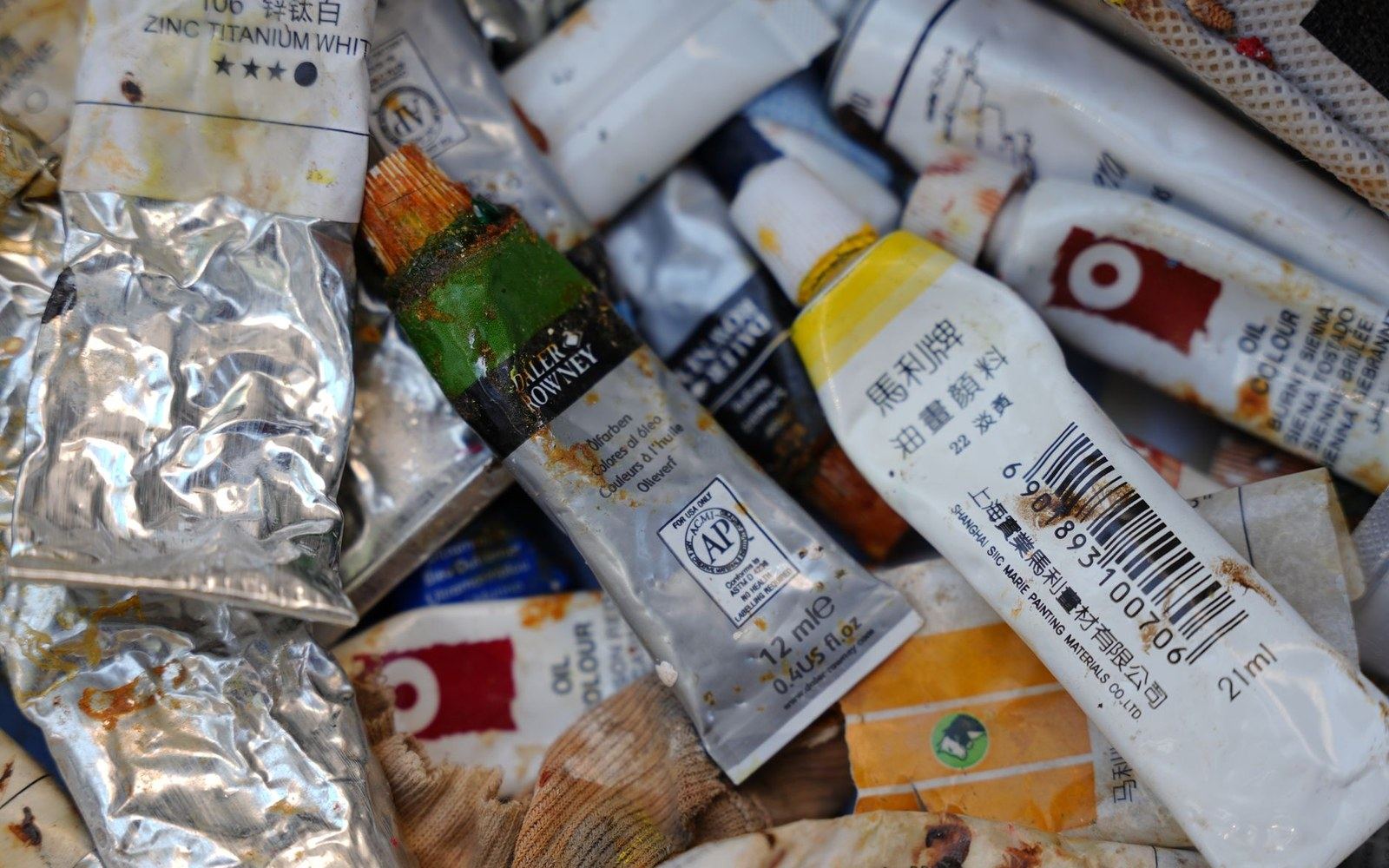
The collapsible tube was the enabling technology. Pre-ground color in a resealable metal tube meant a painter could arrive at a site with a full, workable palette rather than carrying bladders prone to bursting or grinding color from scratch. By the 1850s tube paint was widely commercial, and the timing is not coincidental: organized outdoor painting as a sustained practice — not just the sketch, but the finished work made entirely outside — accelerates in exactly this period.
Panel was preferred over canvas for work done in a single session. A prepared wood or cardboard panel has no give; the paint sits on the surface rather than sinking into a weave, and thin, fast strokes read more crisply. It is also rigid enough to be picked up and moved without disturbing wet paint. Grounds and primings mattered here in a specific way: a mid-toned ground let the painter read values against a neutral rather than fighting the glare of white, saving the time that correcting a flooded first lay-in would have cost.
The portable box easel put the palette, brushes and panel into a single unit the painter could carry and set up alone in under a minute. Wet panels slotted into grooves for the walk home. Every element of the equipment was optimized for the clock the sky sets.
Chronology
- Pre-1840soutdoor sketching practiced, but full-palette outdoor work constrained by bladder paint and grinding time
- c. 1841 onwardmetal collapsible tube commercially available; portable palette becomes practical
- 1850s–1880ssustained plein-air painting as a finished practice, not just preparatory sketching
Observation as method
What changed with outdoor work was not just handling but epistemology — what painting claimed to be about. A studio composition built from drawings and memory is an argument about what a scene means; a painting made in front of it within a fixed window is an argument about what it looks like right now, under this light, at this humidity, with this specific cloud formation moving through. The claim is different, and so is the standard of success.
That commitment to observed fact had costs as well as gains. A session ruined by unexpected weather or failing light could not be recovered the way a studio canvas could — the specific conditions would never recur exactly. It required painters to work faster, decide sooner, and abandon more. The discard rate for outdoor work was high, and what survived was selected partly by luck of weather as much as skill of hand. The finished pictures hide that attrition; the method is visible only in what the strokes were forced to become.
This is why so many outdoor studies have a physical immediacy that their studio enlargements lack.
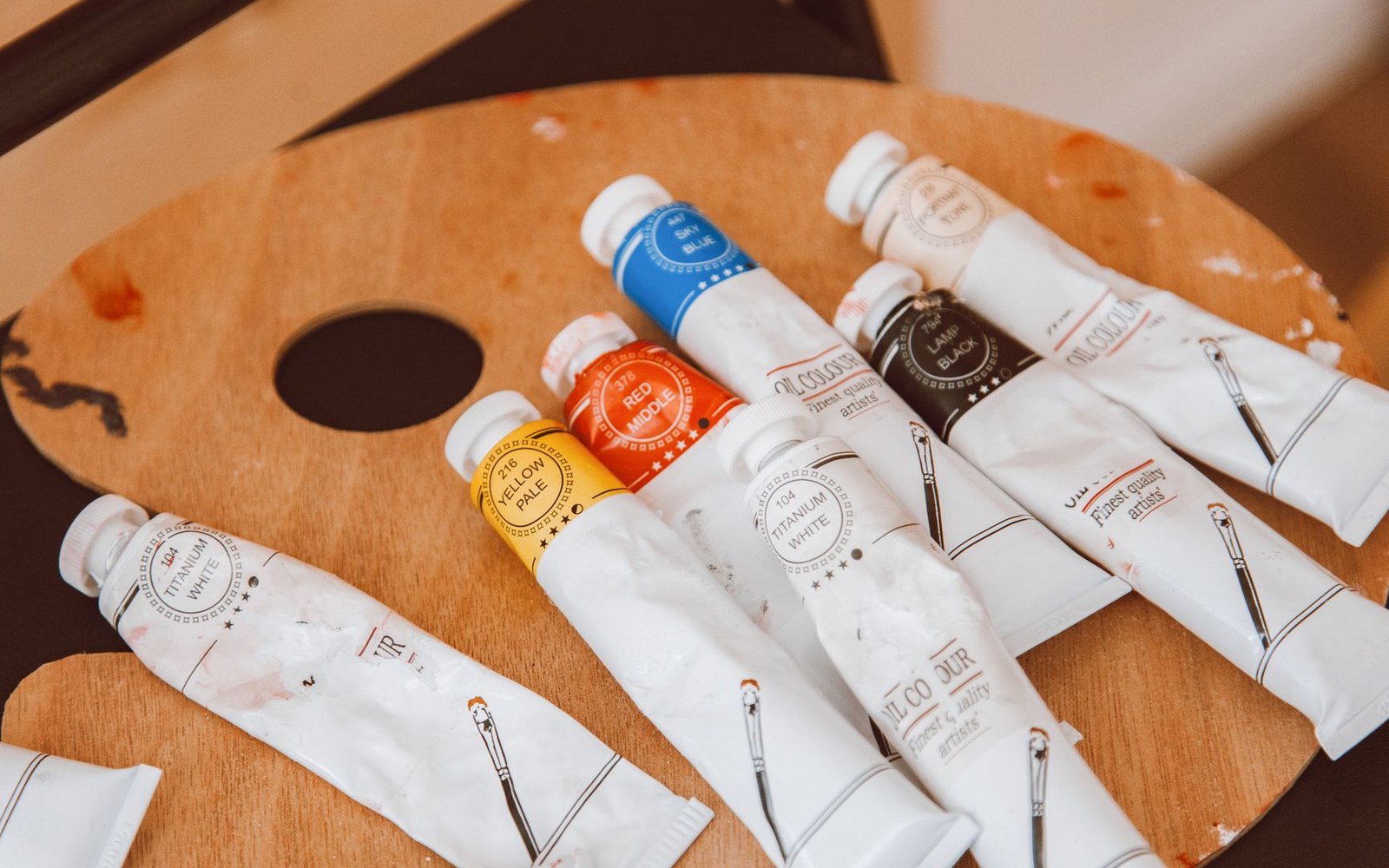
The kit as it was actually bought — ready-ground colour in closable tubes, laid out in the order the painter works.
Photo: ROMAN ODINTSOV / Pexels
Materials and method
- Plein-air
- French for "open air"; working outside in front of the subject, session-length limited by light change
- Panel vs. canvas
- rigid panel preferred for single-session outdoor work; paint sits crisply, no sag when moved wet
- Mid-toned ground
- neutral-colored priming lets painter judge values quickly without correcting a flooded white ground
- Box easel
- combined palette, storage and easel in one portable unit; designed around the single-session constraint
Where the sources disagree, this entry sets the disagreement out rather than resolving it. Nothing here is ranked as greatest or most important; corrections are welcome and are logged at the foot of the entry they change.