The loop between survey, syllabus, and collection
Every art history survey has to start somewhere and stop somewhere, which means its author is already selecting. When Nikolaus Pevsner published Pioneers of the Modern Movement in 1936, or when H.H. Arnason's History of Modern Art began its long classroom run from 1968, these were editorial acts dressed in the language of inevitability. Both books had to fit between covers, be assigned by professors in a semester, and make sense to a reader who had no prior knowledge of the material. Those constraints — format, pace, the need for a legible narrative arc — shaped what got included before any aesthetic judgment was made.
A survey book, once adopted, creates a syllabus. The syllabus creates demand for slides, later reproductions, later digital files. The images a university could easily obtain were, for decades, the images that got taught. Photographs of works in major American and Western European collections circulated; works in private hands, in smaller regional museums, or in countries without well-funded photographic archives simply did not. The image archive encoded the collection, and the collection encoded the archive. Each reinforced the other until what was convenient began to feel like what was significant.
Museum acquisition worked inside the same loop, not apart from it. Curators building modern collections in the mid-twentieth century read the same surveys, trained at the same universities, and inherited predecessor collections that already leaned toward certain national schools. Alfred H. Barr Jr., founding director of the Museum of Modern Art, drew genealogical diagrams mapping a progression from Post-Impressionism toward abstraction. That diagram — reproduced, reprinted, eventually iconic — functioned as an argument. It told curators and collectors what led to what, which made the works at the diagram's terminus look like destinations rather than choices. Institutions that acquired accordingly then supplied the very objects that survey authors cited in the next edition.
What the loop excludes
The mechanism works by narrowing. A work that appears in no major collection is harder to illustrate, harder to teach, and so less likely to enter the next survey — which makes it less likely to be acquired, which keeps it out of the following edition. Practitioners working outside the gallery-dealer-museum circuit that fed the surveys were not merely overlooked; they were structurally blocked from the feedback loop that would have made them visible. Women artists in the nineteenth and early twentieth centuries often showed at the Salon or with dealers, but critical infrastructure — the reviews that got reprinted, the monographs that were written — concentrated on a narrower group. The consequence was not random omission but a systematic thinning.
Teaching syllabuses deepened the problem because they were copied laterally as much as they were revised. A department that built its slide library around one generation of surveys continued to teach from that library for thirty or forty years, because replacing it was expensive. What the department owned was what got taught; what got taught was what students expected to find in institutions; what institutions collected was what surveys continued to cite. The loop closed again.
None of this required bad faith. Survey authors were working under deadline, with the sources available to them, in the critical language of their moment. Museum curators were making defensible acquisitions from the field as they understood it. Professors were teaching what they had been taught. The canon's conservatism was structural, not conspiratorial — which is also why it proved durable. Conspiracy can be exposed and reversed; a self-reinforcing system simply continues until the conditions that feed it change.
How the mechanism works — a sequence
- Survey book selects works to fit a teachable narrative
- Syllabus forms around book; image archives built from accessible collections
- Museum curators trained on same surveys acquire accordingly
- New survey authors cite same collections; loop closes
Those conditions have changed, though unevenly. Revisionist scholarship from the 1970s onward began naming the mechanism — identifying whose work the loop had routed around, and why. The rehang of permanent collections, the addition of new acquisition categories, the expansion of survey texts into multi-volume formats — these are all attempts to interrupt the feedback, though a new loop can form just as readily around revised criteria as around old ones. A list made in reaction to another list is still a list.
Teaching syllabuses deepened the problem because they were copied laterally as much as they were revised.
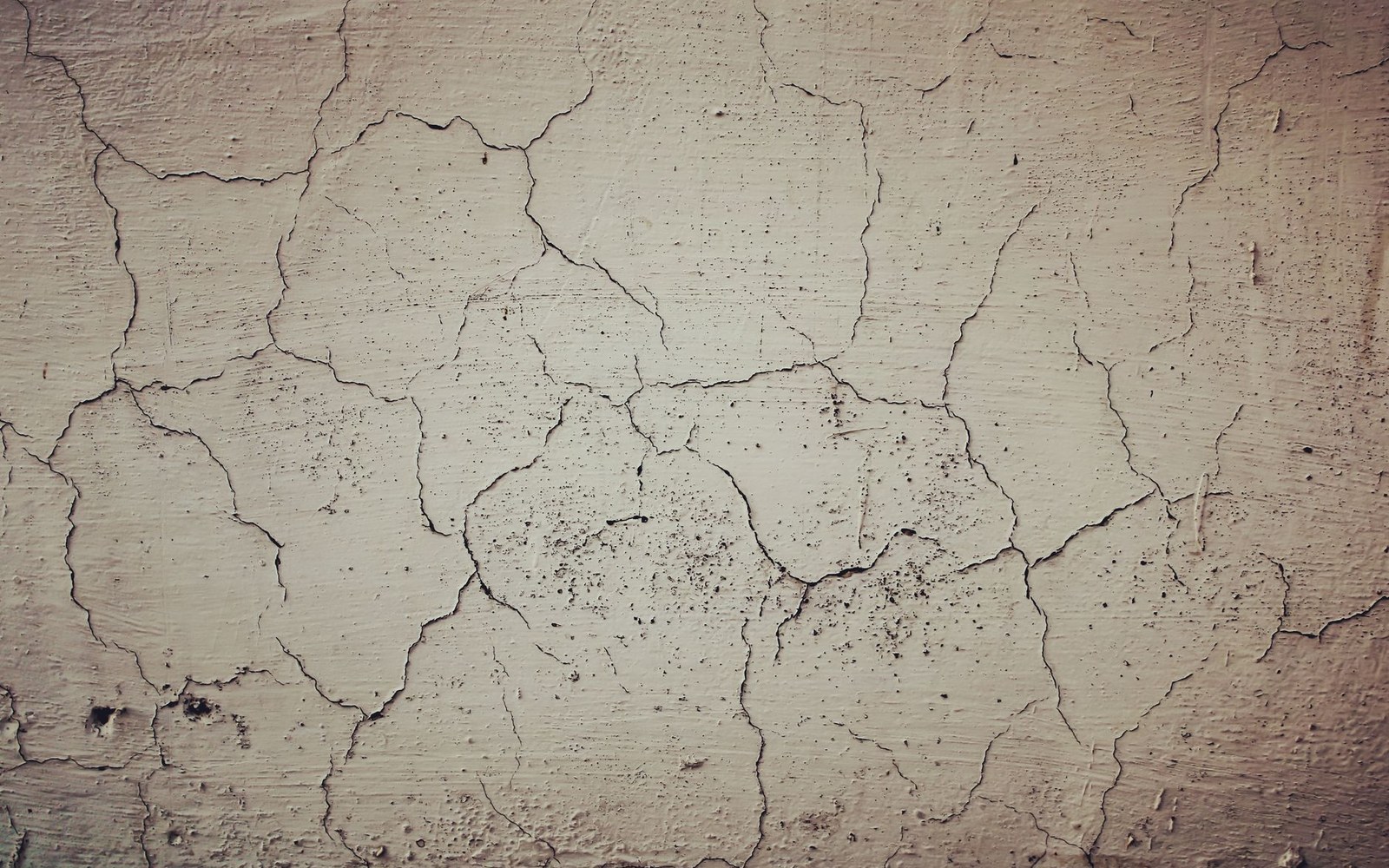
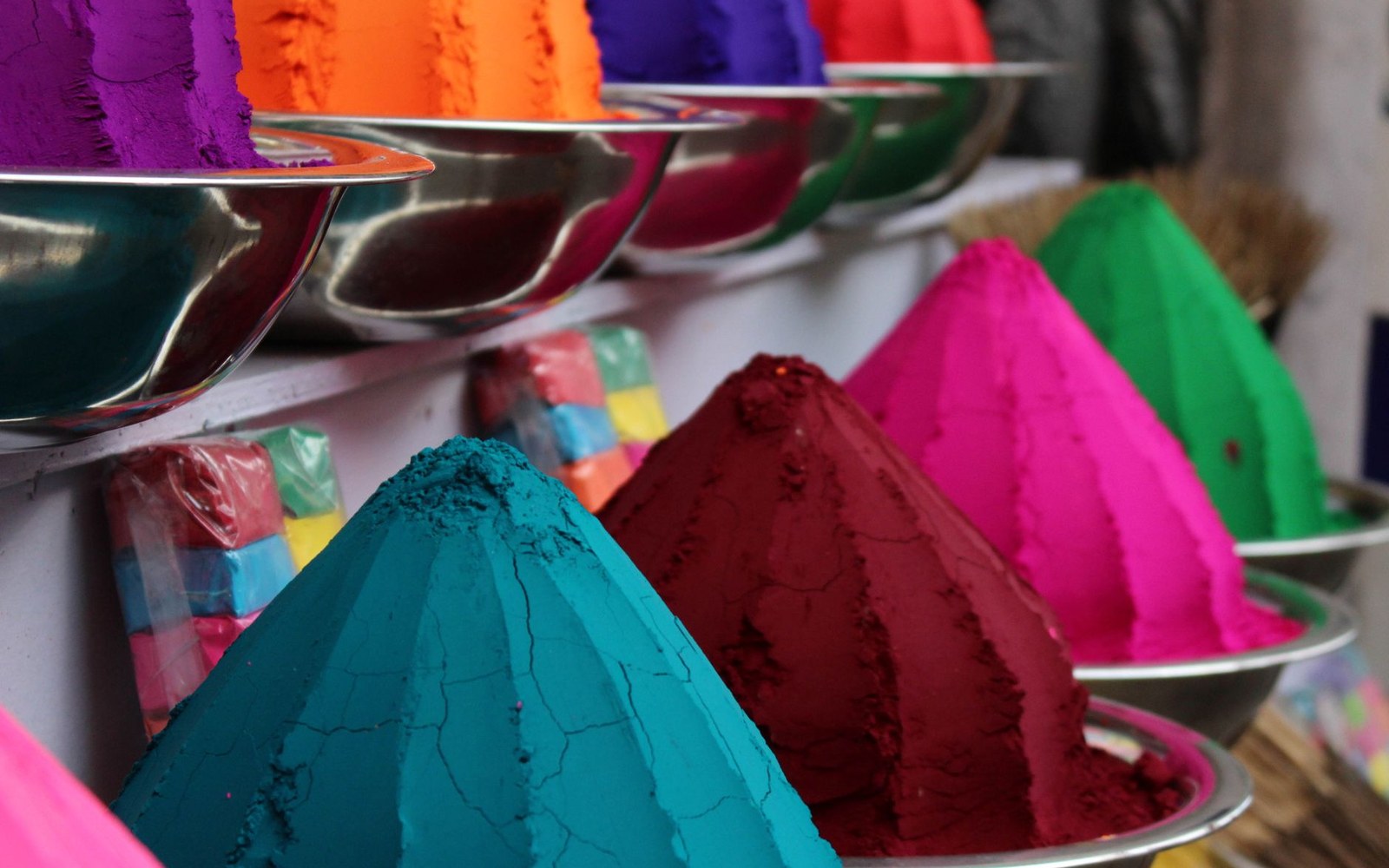
Raking light does the reading for you — the cracks follow the weave of the support and the drying of the layers above it.
Photo: Satyam Sanghal / Pexels
Key figures and their editorial acts
- Nikolaus Pevsner
- Pioneers of the Modern Movement (1936): a formative selection of "origins"
- H.H. Arnason
- History of Modern Art (1968): multi-edition classroom standard; shaped decades of syllabuses
- Alfred H. Barr Jr.
- his genealogical diagrams at MoMA gave the canon a visual argument; the diagram circulated as widely as the works themselves
Where the sources disagree, this entry sets the disagreement out rather than resolving it. Nothing here is ranked as greatest or most important; corrections are welcome and are logged at the foot of the entry they change.