The logic of repetition and its limit
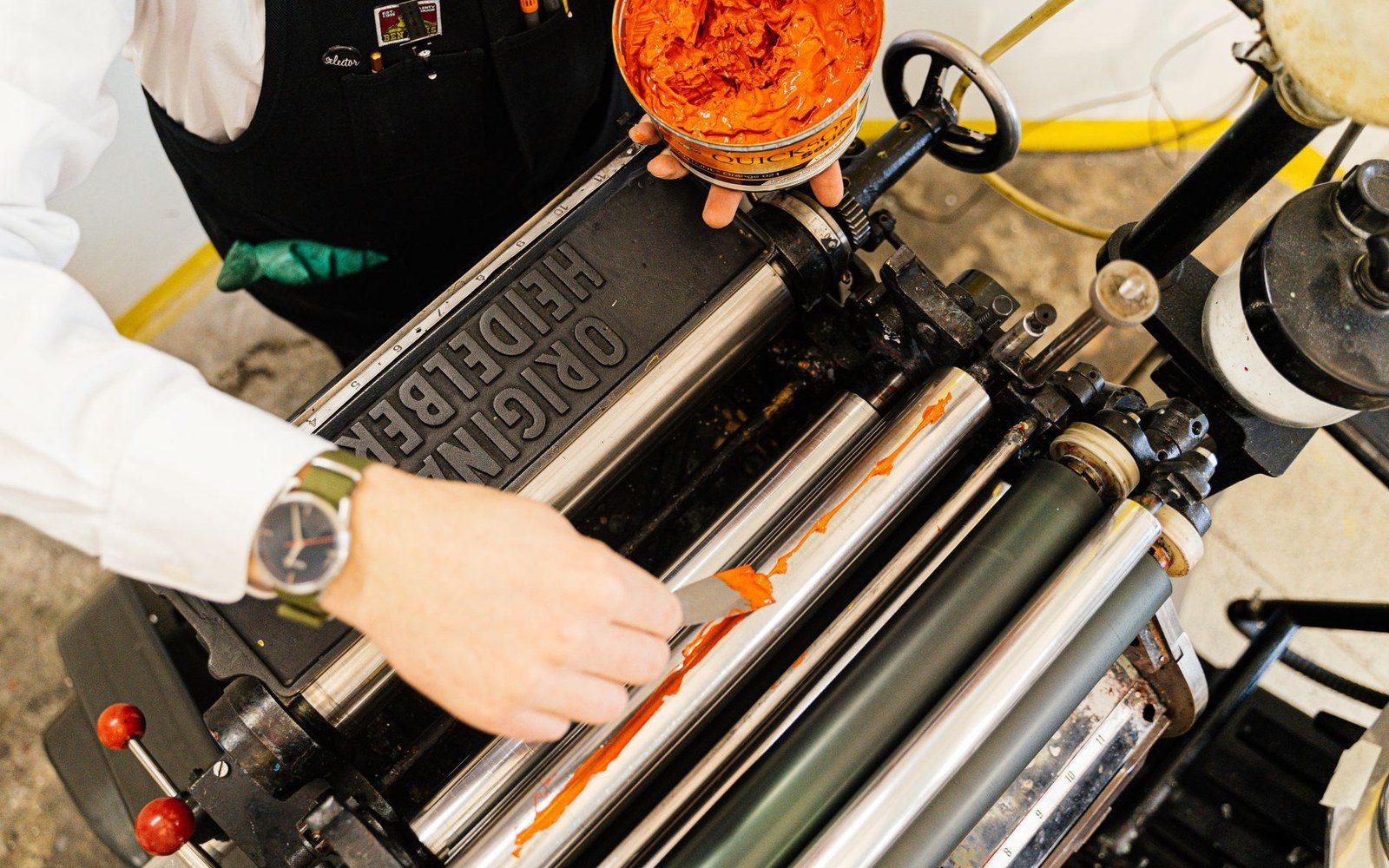
A printed work is made twice: once when the artist cuts, etches or lithographs the matrix, and again each time ink is pulled from it. That second making can happen dozens or hundreds of times, and the edition — the declared total of authorised impressions — is the artist's promise about how many times it will. An etched copper plate, a lithographic stone, a woodblock: each is a tool that yields multiples, and the edition number is what converts those multiples into a controlled series rather than an open flood.
The fraction on a print's margin — say, 7/50 — means the seventh impression of an edition of fifty. The numbering practice became standard in Western printmaking during the late nineteenth century, when the market for artists' prints was formalising and collectors wanted assurance that scarcity was real. Before that convention settled, plates were often worked until they wore out, impressions varying in quality across hundreds of pulls, with no declared limit at all.
Print quality does change across an edition. An intaglio plate — etched or engraved into metal — accumulates wear with each impression; early pulls from a sharp plate carry finer lines than late ones. This is why the category of épreuve d'artiste (artist's proof), marked A.P. or E.A., exists outside the numbered run and why trial states pulled during the working of the plate are kept separate. Lithographic stones and screenprint stencils degrade differently but degrade nonetheless, and that physical fatigue gives the edition number a mechanical as well as contractual basis.
What seals the commitment is cancellation. When the numbered run is complete, the matrix is cancelled — the plate is scored with cross-hatching, the stone ground down, the screen destroyed — and a cancellation proof is sometimes printed from the marked plate to document that no further impressions can be pulled. The scored plate printed on paper is itself a record of closure. Without that act, the edition number is only an assertion; the plate could be inked again. Cancellation is where the promise becomes irreversible.
Photography introduced its own version of the same logic. A photographic negative can theoretically yield unlimited prints, so photographers began declaring editions and cancelling negatives — or, later, destroying digital master files — to apply the same framework to a medium where physical wear offered no natural limit. The edition became a purely administrative structure rather than a material one, which sharpened the question of what exactly the number was guaranteeing and who was enforcing it.
Key terms
- intaglio
- printmaking in which the image is cut or etched into the surface; ink sits in the grooves rather than on the relief
- épreuve d'artiste (A.P. / E.A.)
- impression outside the numbered edition, reserved for the artist
- cancellation proof
- impression pulled from a deliberately scored or marked matrix to prove no further editions are possible
- state
- intermediate version of a plate, pulled as a working proof before the final edition
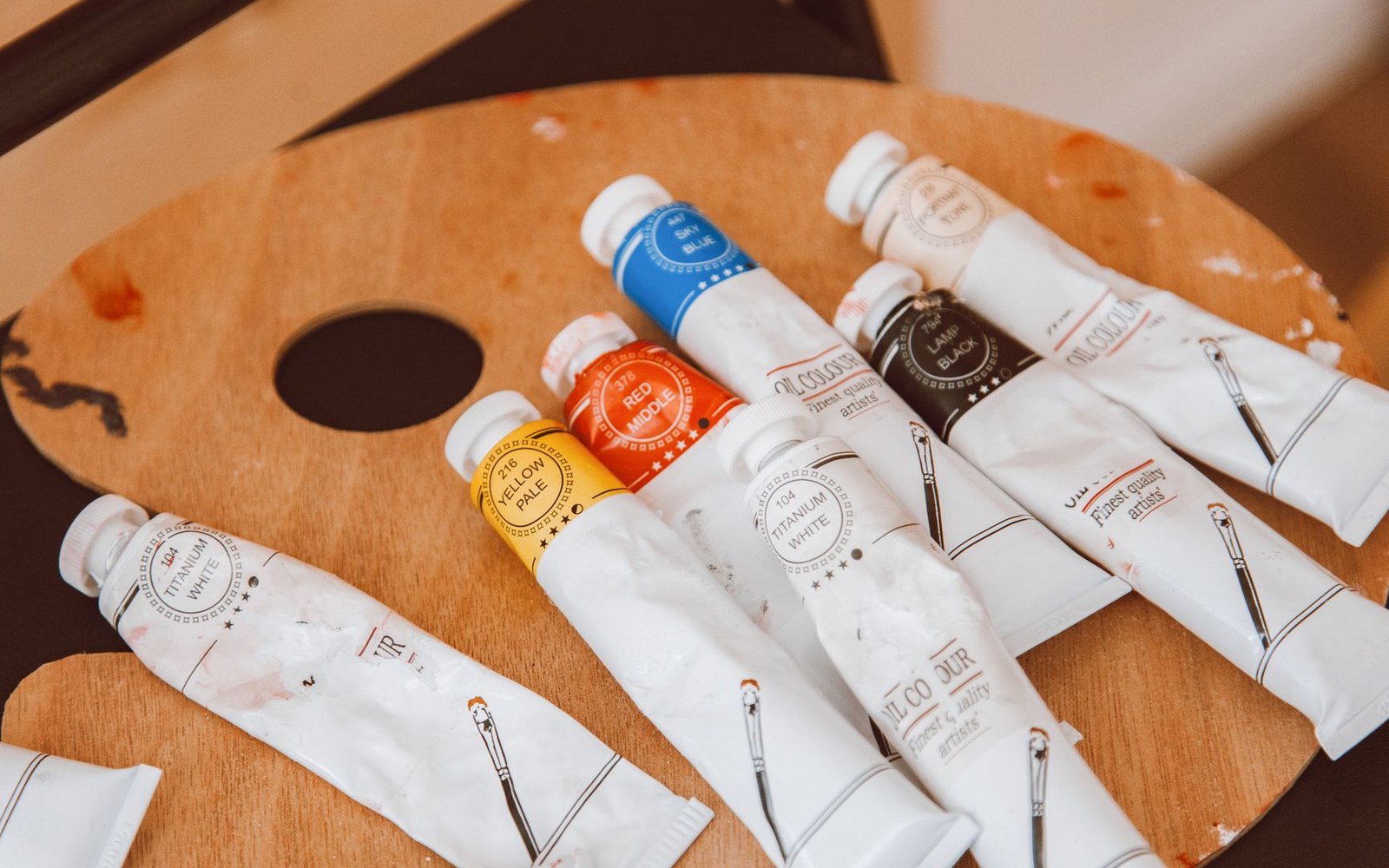
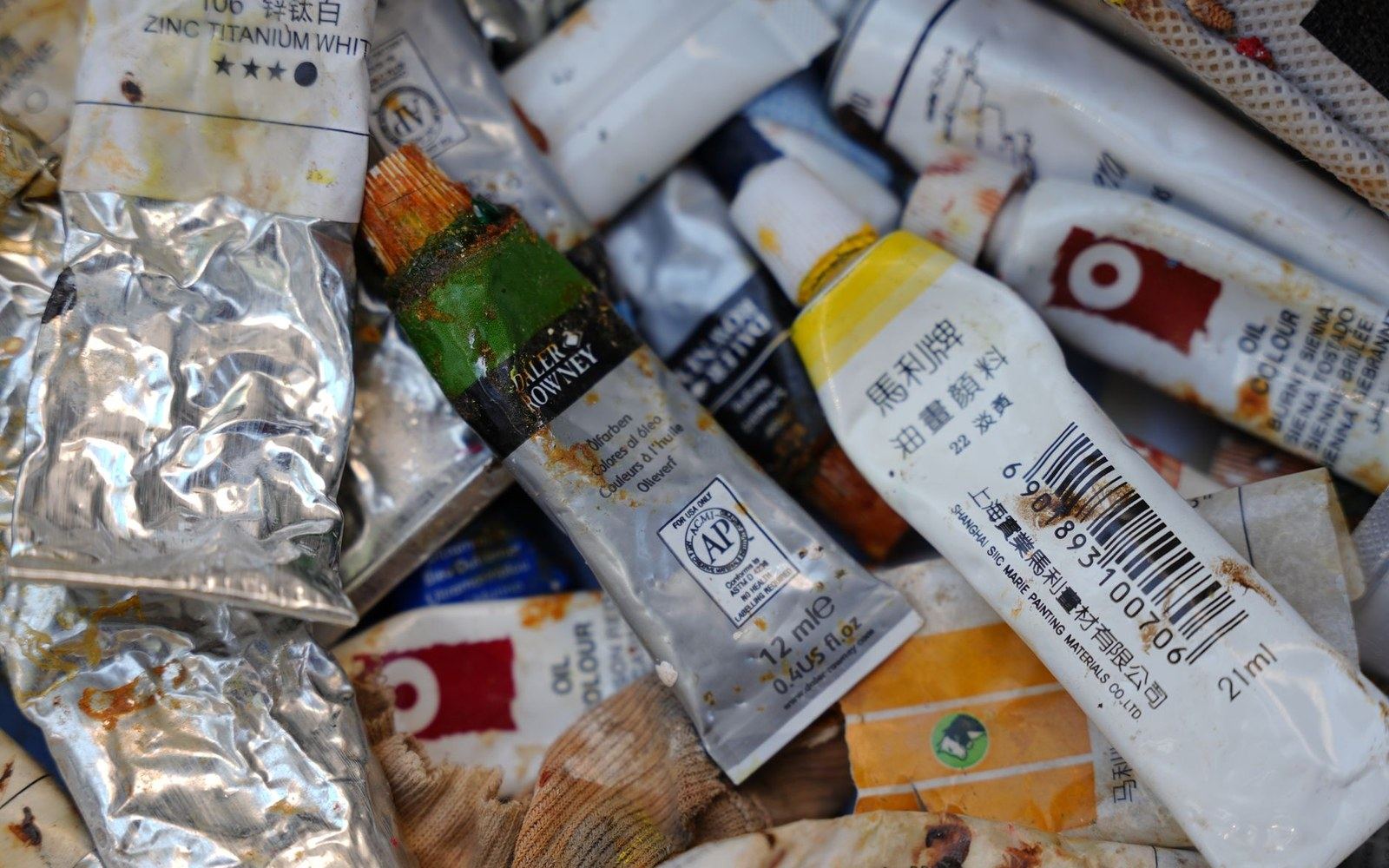
The kit as it was actually bought — ready-ground colour in closable tubes, laid out in the order the painter works.
Photo: ROMAN ODINTSOV / Pexels
Chronology
- Before the late 19th centuryplates often run without declared limits; impressions vary widely across a print's life
- Late 19th centuryedition numbering becomes standard practice as the commercial print market formalises
- 20th centuryphotographers adopt edition logic for a medium that has no inherent material limit
Where the sources disagree, this entry sets the disagreement out rather than resolving it. Nothing here is ranked as greatest or most important; corrections are welcome and are logged at the foot of the entry they change.