The machinery of judgment
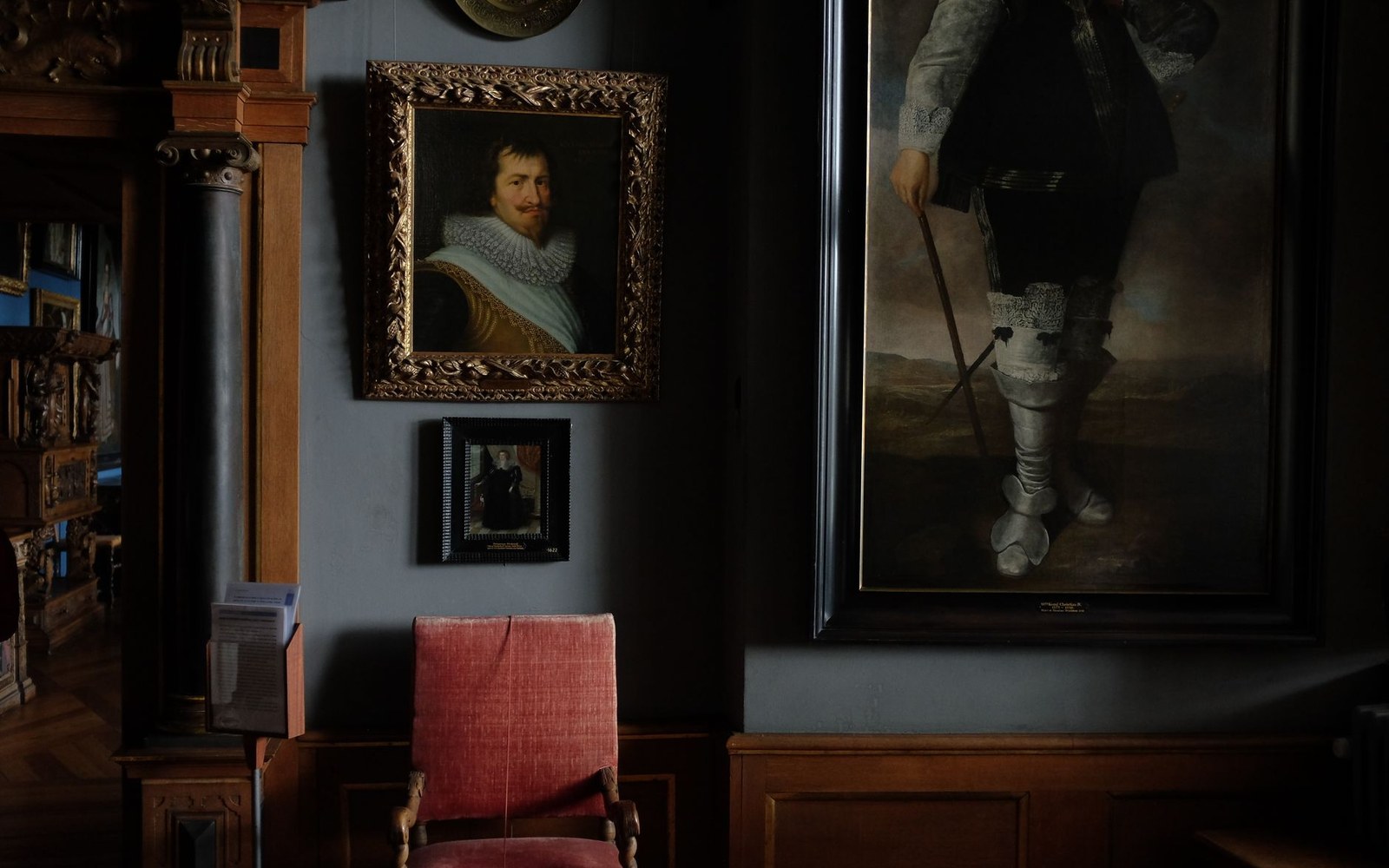
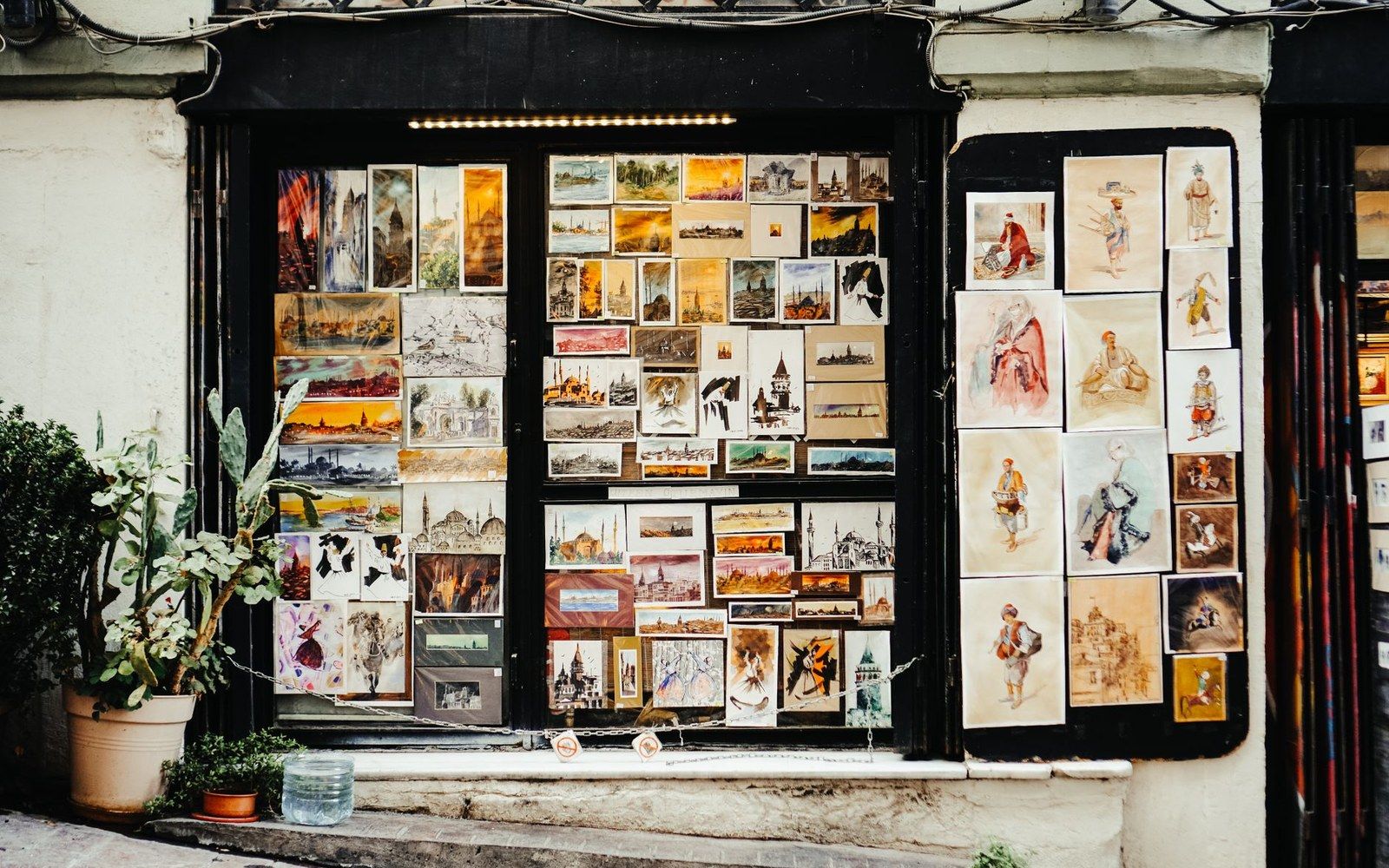
The Paris Salon was, for most of the nineteenth century, the only venue that reliably converted artistic labor into public visibility, critical attention, and commissions. To show there was not a luxury; it was the mechanism by which a painter became a painter in any practical sense. And the mechanism's gatekeeping component — the jury — was a committee drawn overwhelmingly from academically trained, often prize-winning painters whose aesthetic preferences had been formed inside the very institution they now administered.
The jury's powers were absolute and tripartite. It could refuse a work outright; it could accept it but assign it to a position so unfavorable as to make it functionally invisible; or it could admit it to the good wall — the eye-level hang that guaranteed the picture would actually be seen. Rejection carried no formal explanation. An artist could resubmit the following year, or not, and the jury owed him nothing in the way of reasons. This was not mere bureaucratic coldness. It was a structural filter designed to reproduce a specific idea of what painting was supposed to do.
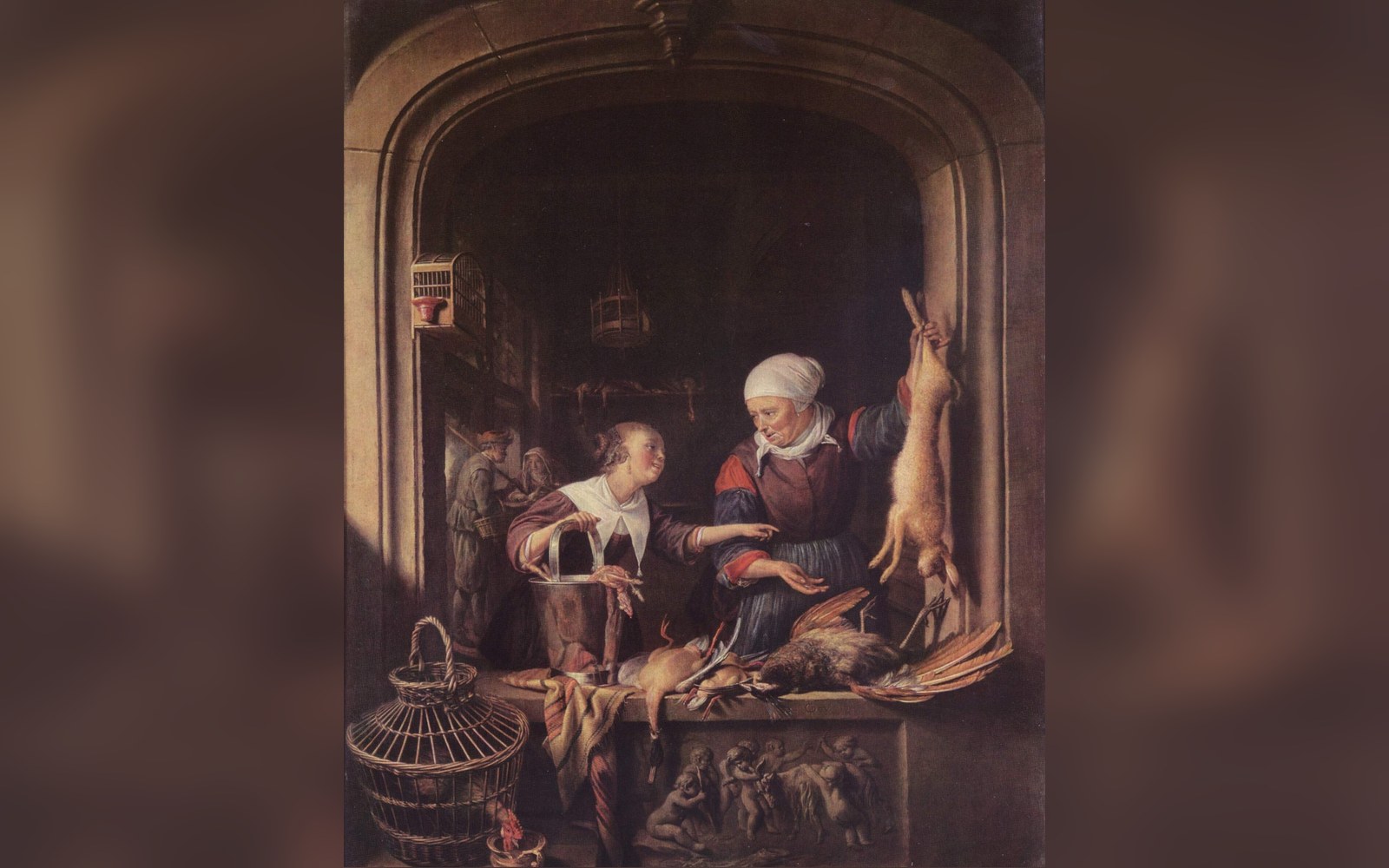
The Académie des Beaux-Arts, which oversaw the institution, ranked genres in strict hierarchy: history painting at the apex, then portraiture, genre scenes, landscape, and still life descending below it. A jury constituted of history painters evaluated all of it. The incentive to privilege what you had spent a career practicing was built in, and complaints about it were old before the Impressionists were born. Delacroix had been rejected repeatedly before being admitted to the Académie itself in 1857, after seven failed attempts. Courbet was refused and accepted in alternating cycles across decades, and he knew how to publicize both outcomes.
The Salon des Refusés and its aftermath
The rupture that changed everything came in 1863, when the jury rejected roughly half of the submissions — an unusually high proportion even by its own standards. The complaints reached Napoléon III, who ordered that the refused works be exhibited separately so the public could judge for themselves. The result was the Salon des Refusés, held in a wing of the Palais de l'Industrie alongside the official Salon. Whistler showed there. Pissarro showed there. Manet showed Le Déjeuner sur l'herbe, and the scandal it generated was immediately and permanently legible as proof that the jury's criteria and the public's actual capacity for attention had come apart.
The Refusés was not repeated as a regular institution — it ran again briefly in 1864 and 1873 — but the logic it had demonstrated proved durable. If the rejected work could draw a crowd, then rejection was not necessarily an aesthetic verdict. It could be a political one. Manet understood this, and so did the younger painters gathering around him. By 1874, rather than petitioning the Salon or waiting on its mercy, Monet, Degas, Renoir, Pissarro, Sisley, Morisot and others organized their own independent exhibition through a commercial cooperative. The jury's authority did not collapse that day, but its monopoly on legitimacy did.
The Salon itself tried to adapt. The jury's composition was briefly made partially elective in the 1880s, allowing artists who had previously been accepted to vote for some members. This produced a more permissive body — and very quickly a more crowded, less curated show. The Société des Artistes Français and the breakaway Société Nationale des Beaux-Arts came to coexist as rival Salons by the 1890s, each with its own jury and its own standards, which meant the standards were no longer singular. Once that happened, the dealer system could step into the space the jury had vacated, offering alternative paths to visibility that did not require committee approval at all.
Chronology
- 1857 Delacroix finally admitted to the Académie des Beaux-Arts after seven failed attempts 1863Jury rejects roughly half of Salon submissions; Napoléon III orders the Salon des Refusés
- 1864, 1873Salon des Refusés held again on a limited basis
- 1874First independent Impressionist exhibition held as a cooperative, bypassing the jury entirely
- 1880sJury composition made partially elective; Salon becomes more permissive and more crowded
- 1890sSociété des Artistes Français and Société Nationale des Beaux-Arts coexist as rival bodies with separate juries
What the jury had really been was a chokepoint — a single narrow gate through which all professional ambition was required to pass. When enough people found or built a way around it, the chokepoint stopped functioning. But for half a century it had determined careers, enforced hierarchies, and, by the particular texture of what it refused, helped define exactly what it meant to be modern.
The rupture that changed everything came in 1863, when the jury rejected roughly half of the submissions — an unusually high proportion even by its own standards.

Hung floor to cornice, a picture placed high was said to be skied: admitted, and effectively unseen.
Photo: Shakyamuni Buddha with Avadana Legend Scenes - Google Art Project · Wikimedia Commons

Where the sources disagree, this entry sets the disagreement out rather than resolving it. Nothing here is ranked as greatest or most important; corrections are welcome and are logged at the foot of the entry they change.