The Geometry of Judgment
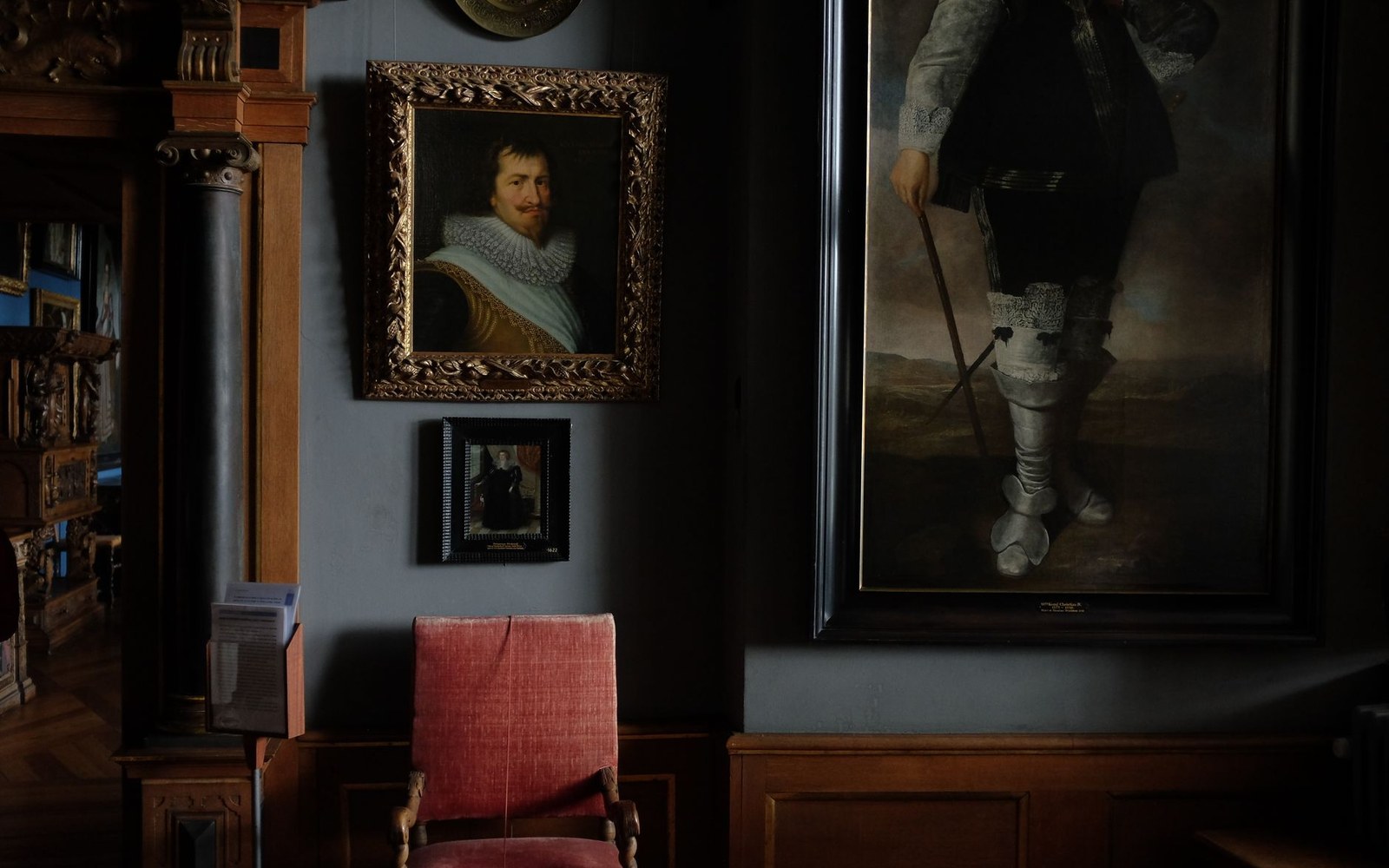
At the Paris Salon, the jury made two decisions. The first was whether a work was admitted at all. The second — nearly as consequential — was where it hung. The galleries were stacked from floor to ceiling, and position was destiny.
The preferred zone was called la ligne, the line: roughly eye level, where the bottom of a canvas sat at about one and a half metres from the floor. A work on the line read as its maker intended. Colours resolved at the correct distance, detail registered, and a viewer could find the title card without crouching. Critically, it was the height at which collectors and press critics stopped and looked.
Everything above the line was skyed — hung near the ceiling where light was poor, the angle was steep, and most visitors never raised their eyes. A large canvas could survive this indignity; a small one effectively disappeared. Everything below the line crouched in the gloom near baseboards, equally invisible. Neither zone was a neutral outcome. Being skyed was a public humiliation that the artist's correspondents noted and that reviewers occasionally logged with a kind of sympathetic disdain.

The jury assigned positions after admission was settled, which meant a separate layer of power operating on the same pool of works. Académie insiders, whose canvases came with institutional endorsement, reliably found themselves near the line. Younger or unconnected painters — even those admitted — could be effectively buried by placement. Édouard Manet's early Salon submissions were admitted but routinely given awkward positions, a pattern that contributed as much to his antagonism toward the official system as any outright rejection.
The logic compounded itself: good placement generated reviews, reviews generated collectors, collectors generated prices, and prices made the next jury look favourably on the name. The good wall was not just comfort; it was compound interest on reputation, and everyone in the room knew exactly what it was worth.
Career mechanics
- La ligne
- the eye-level band, roughly 1.5 m from floor to canvas bottom, the optimum Salon hanging position
- Skyed
- hung near the ceiling, steep angle, poor light; effectively invisible to critics and buyers
- Below the line
- near-floor placement; equally obscure, though less common as a complaint in the period's correspondence

Standing distance is part of the work: a canvas sized to the wall asks the body to move back until the picture resolves.
Photo: Greta Hoffman / Pexels
Where the sources disagree, this entry sets the disagreement out rather than resolving it. Nothing here is ranked as greatest or most important; corrections are welcome and are logged at the foot of the entry they change.