The wall is already a decision
There is a threshold at which a large painting ceases to hang in a room and begins to organize one. The transition is not dramatic — no single canvas announces it — but it is real, and it changes the logic of everything around the object.
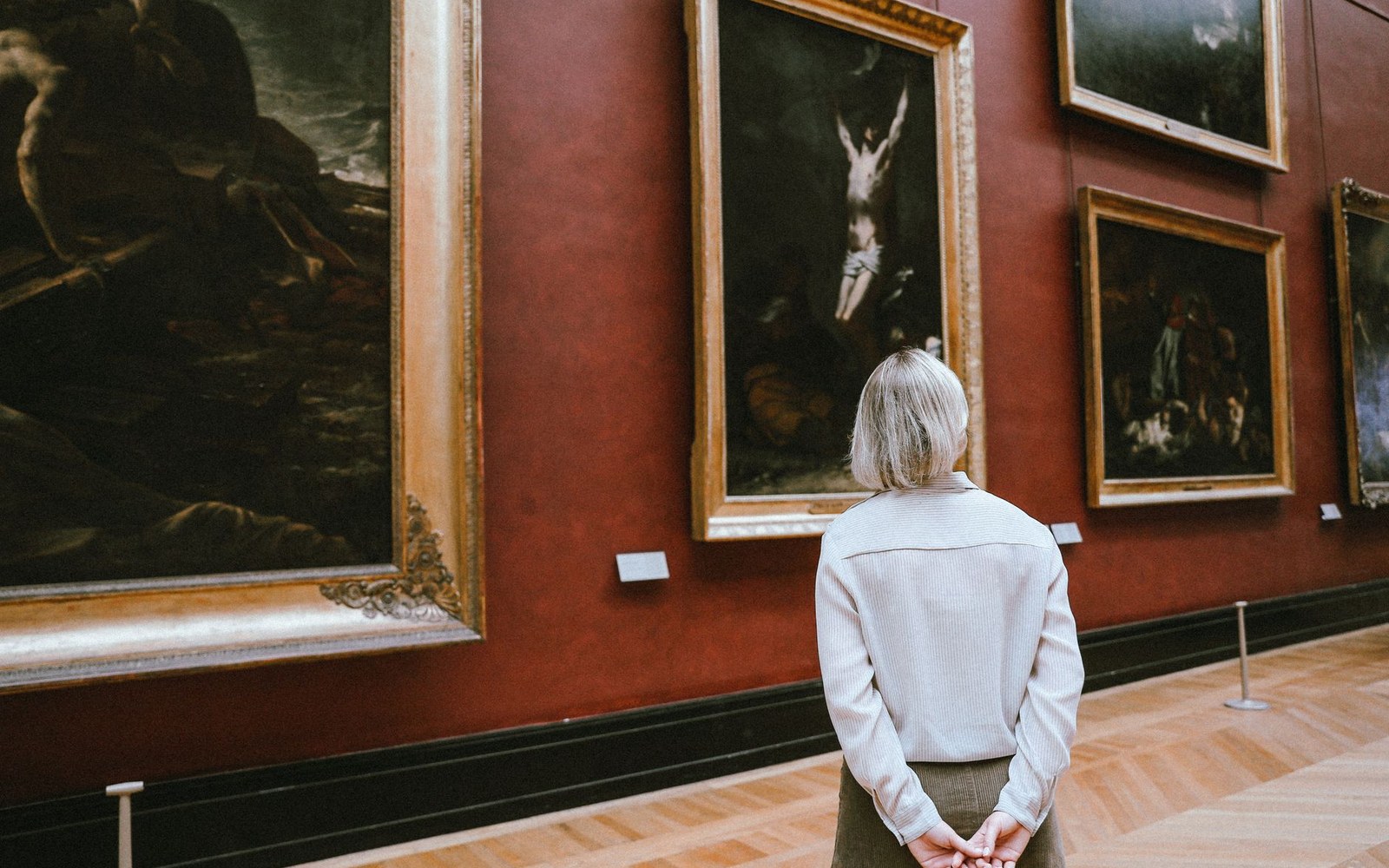
Easel painting assumes portability: a work made in one place, transported to another, hung wherever the proportions cooperate. The canvas is the thing; the room is circumstantial. Scale undoes this assumption gradually. Once a picture reaches the limits of what two people can carry, once its field exceeds peripheral vision at any livable standing distance, the relationship reverses. The viewer can no longer step back far enough to see the whole without hitting a wall — the painting's wall. At that point the room's dimensions are already inside the work's meaning.
This is not a modern discovery, but the stakes changed with modernism. When a painter or sculptor designs not just the object but the light source, the sightline, the sequence of approach, and the colour of the surrounding walls, the room itself becomes a kind of ground — as active, in its way, as the priming beneath the paint. The room sets the key, and a work pulled from it and placed somewhere else is not quite the same work.

The consequence for collecting and display is severe. A piece made for a particular ceiling height or for natural light entering from one side cannot be rehung in arbitrary spaces without loss. Museums have responded by building rooms to specifications supplied by estates, or by reconstructing environments wholesale. The work arrives with instructions that include the architecture. What gets conserved is not only the object but the spatial proposition around it.
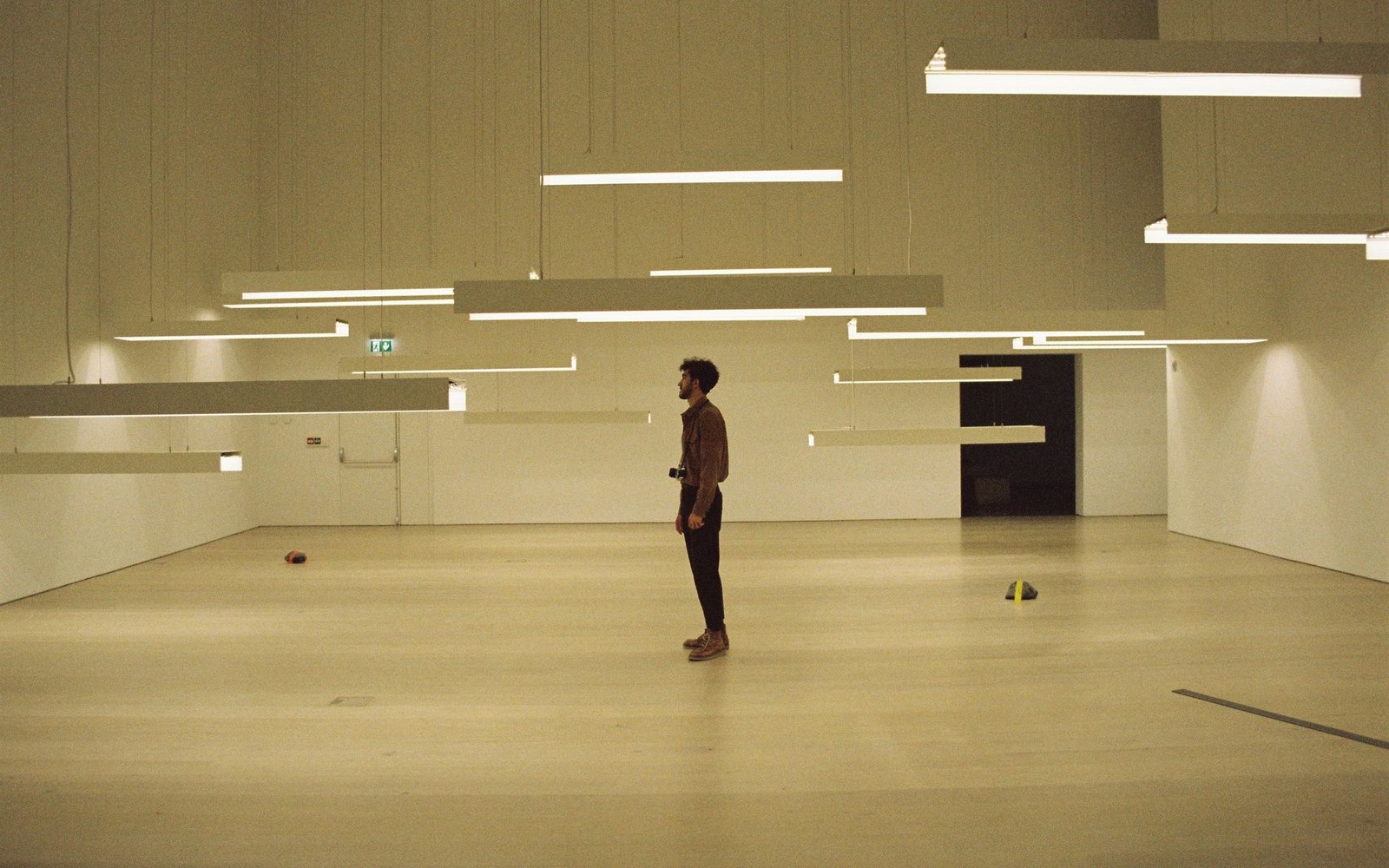
This also recasts what an installation is. An installation is not simply a very large sculpture that happens to fill a room: it is a work whose subject is partially the experience of being in that room. Take it apart and you have components, not the work. Reassemble it somewhere else and you have an interpretation. The documentation — photographs, floor plans, written specifications — becomes the original in a way that troubles conventional ideas of authenticity and autograph.
Once the room is part of what is being made, the boundaries of the object extend to the walls, ceiling and floor. The work is larger than it looks on paper.
The threshold concept
- easel assumption
- the painting moves; the room is neutral
- the reversal
- at sufficient scale, the room becomes ground, not container
- installation as spatial proposition
- dismantled, it becomes components; moved, it becomes an interpretation
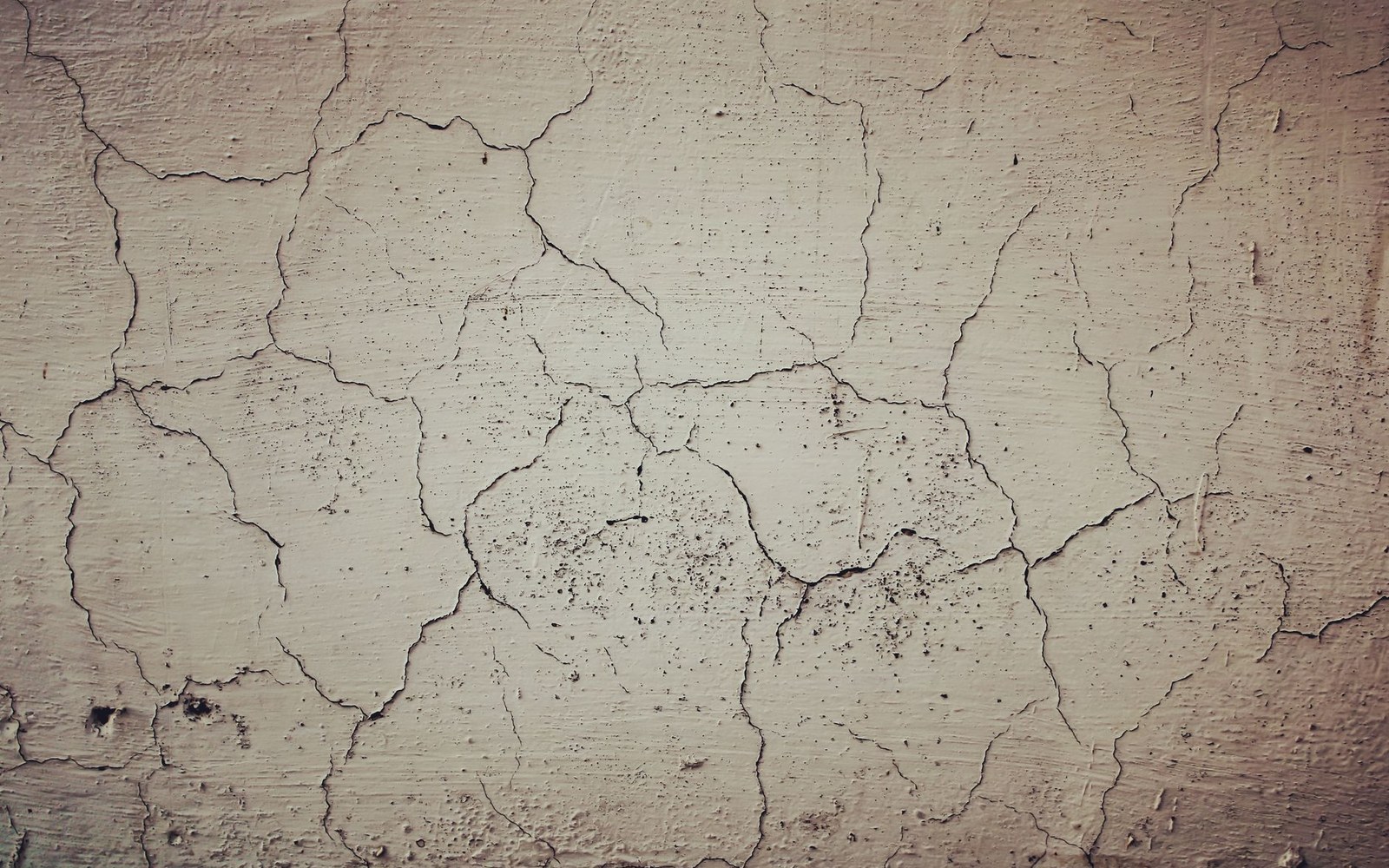
Raking light does the reading for you — the cracks follow the weave of the support and the drying of the layers above it.
Photo: Satyam Sanghal / Pexels
Where the sources disagree, this entry sets the disagreement out rather than resolving it. Nothing here is ranked as greatest or most important; corrections are welcome and are logged at the foot of the entry they change.