The dye trade's accident
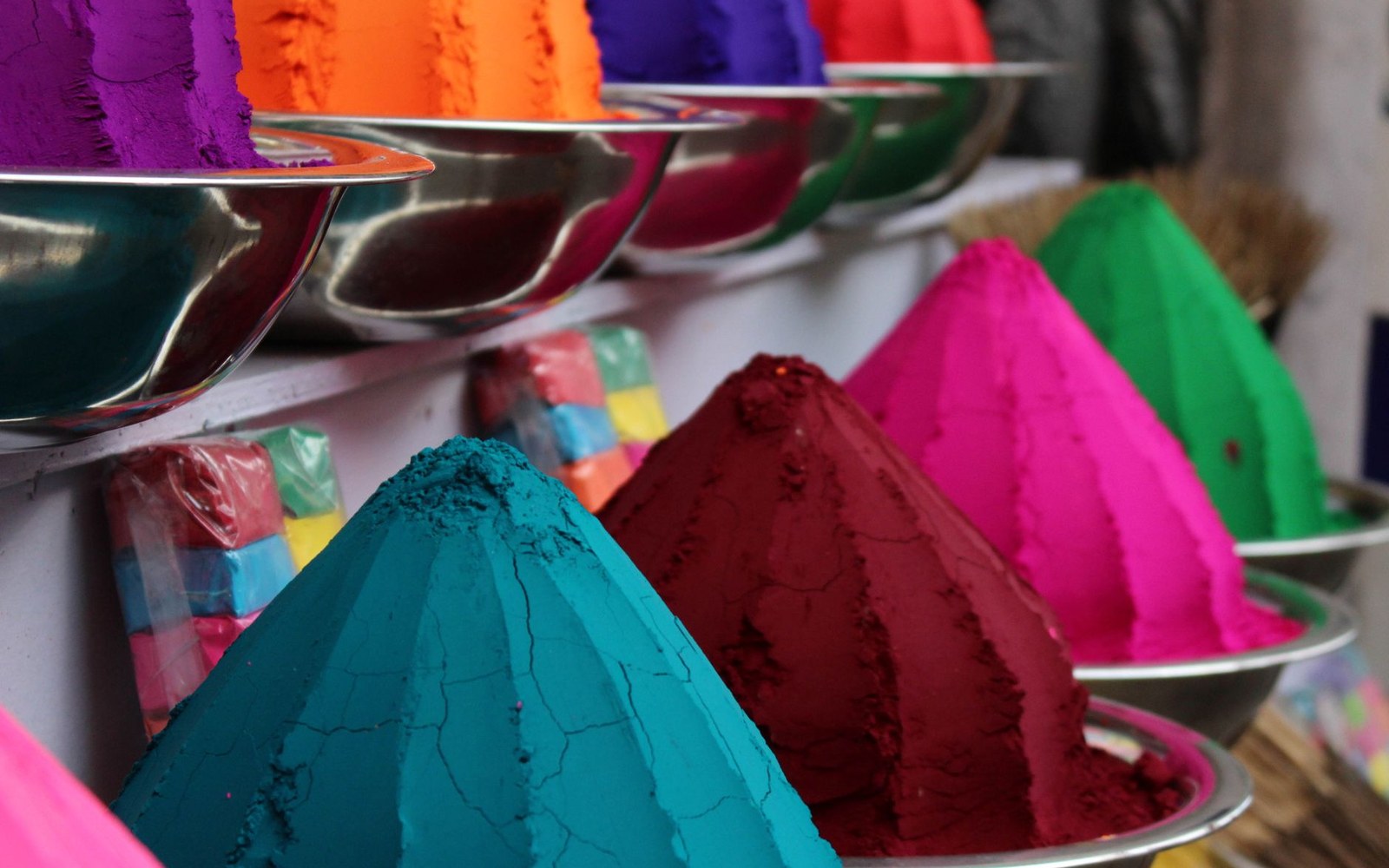
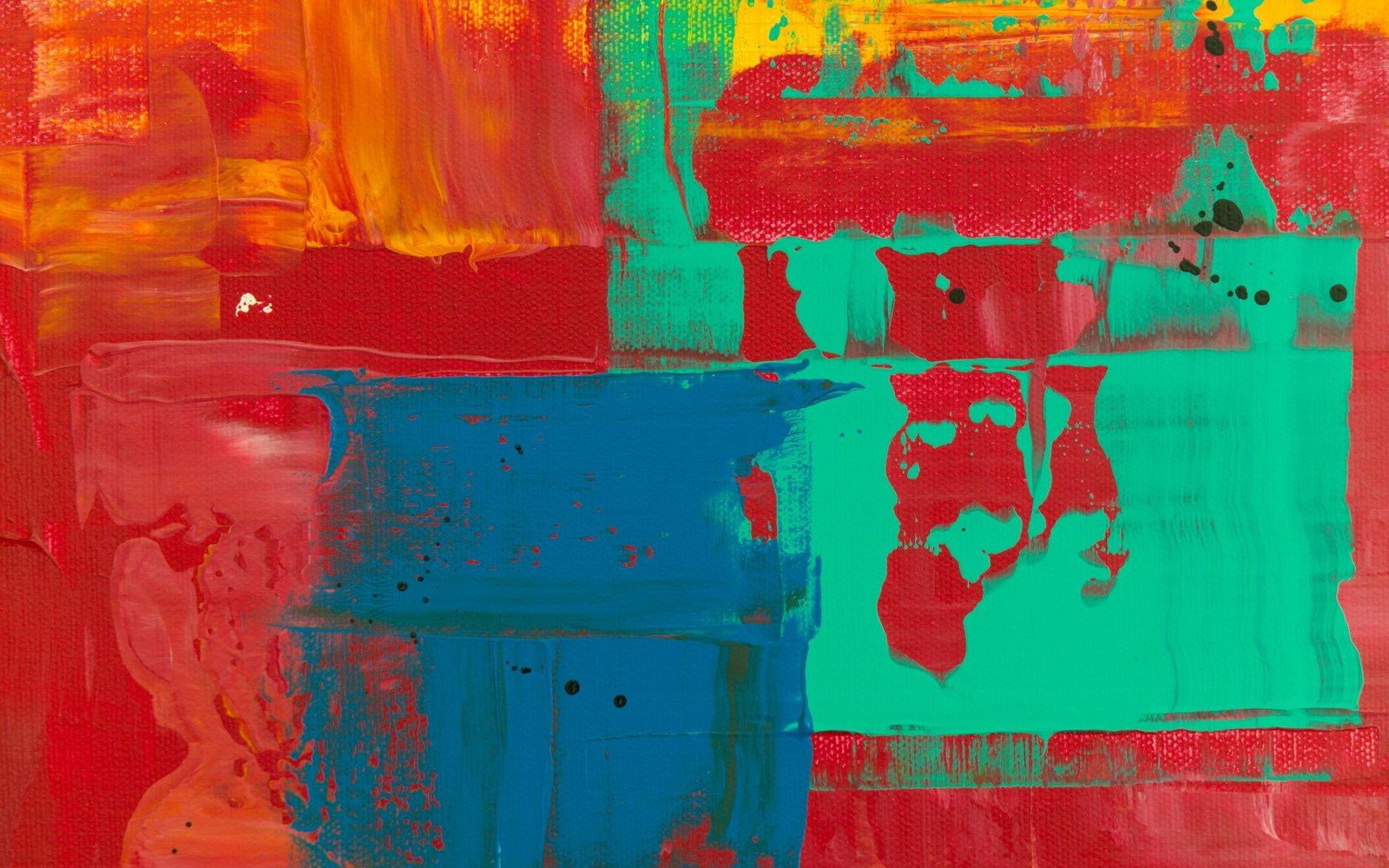
Michel Eugène Chevreul spent decades as director of dyes at the Gobelins tapestry manufactory in Paris, investigating why certain colours appeared to lose their saturation when placed alongside others. The problem was practical — weavers complained their threads looked wrong — but the answer became something painters couldn't ignore. In his 1839 treatise De la loi du contraste simultané des couleurs, Chevreul articulated what he called simultaneous contrast: the way any two adjacent colours each push the other toward its complement, making a red next to green appear more intensely red, while the green, simultaneously, registers as more intensely green.
The complementary pairs — red/green, orange/blue, violet/yellow — weren't a painter's discovery. They arrived from industrial necessity and were formalised through the physics of perception. Ogden Rood's Modern Chromatics of 1879 extended the argument, distinguishing between the mixture of coloured light and the mixture of pigment, and showing that small touches of pure colour, seen at a distance, could optically combine into a different hue more luminous than any premixed equivalent.
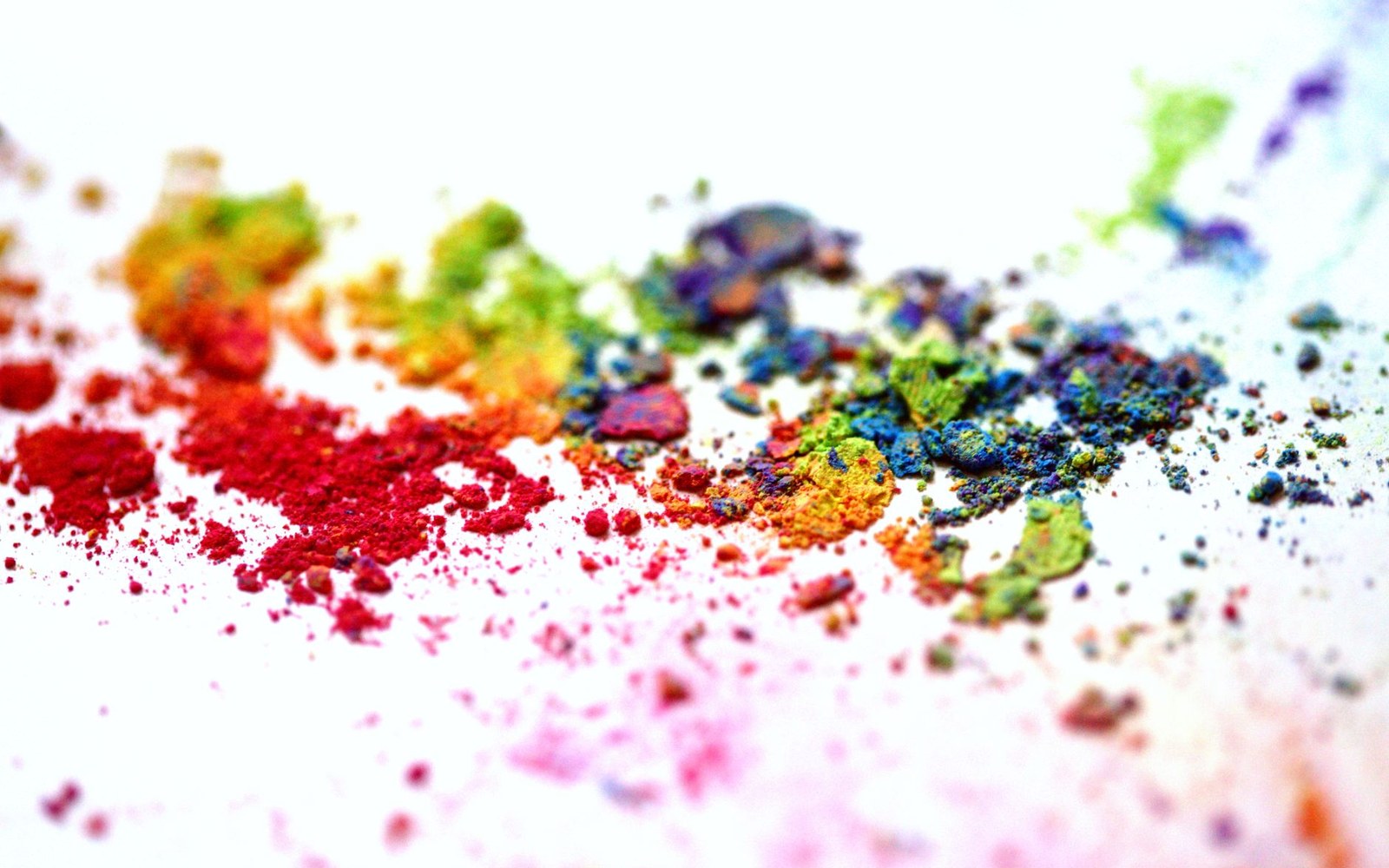
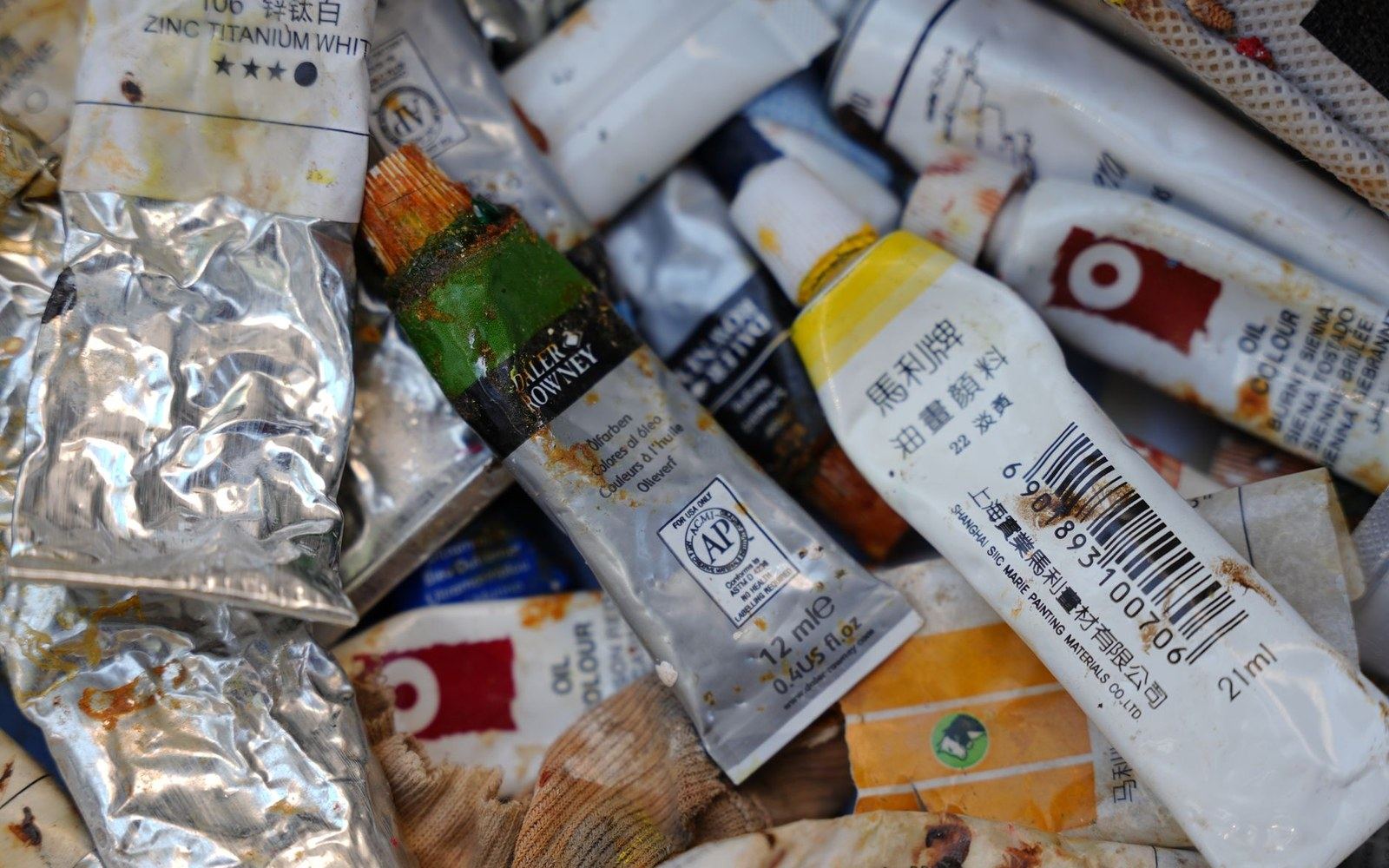
Georges Seurat took the science literally. His method, which critics eventually named pointillism and he preferred to call chromoluminarism, applied Rood and Chevreul directly: discrete dots of unmixed pigment laid according to calculated complementary relationships. His new pigments arriving within a few decades — chrome yellows, cobalt blues — gave him the spectral range the theory demanded. The result at the Salon des Indépendants in 1886 was a surface unlike anything organised by tonal conventions: A Sunday on La Grande Jatte resolved itself only as the viewer stepped back.
The theory's legacy ran beyond Seurat. It gave Gauguin a rationale for non-naturalistic colour, supplied the Fauves a permission structure, and eventually fed into Bauhaus colour pedagogy through Johannes Itten and Josef Albers. A dye superintendent's industrial problem became the century's foremost argument for colour as an independent pictorial force.
Chronology
- 1839Chevreul publishes De la loi du contraste simultané des couleurs
- 1879Ogden Rood publishes Modern Chromatics
- 1886Seurat exhibits A Sunday on La Grande Jatte at the Salon des Indépendants

Hung floor to cornice, a picture placed high was said to be skied: admitted, and effectively unseen.
Photo: Shakyamuni Buddha with Avadana Legend Scenes - Google Art Project · Wikimedia Commons
Key concepts
- Simultaneous contrast
- the optical phenomenon by which adjacent colours each intensify toward their complement
- Complementary pairs
- red/green, orange/blue, violet/yellow; the pairings that produce maximum mutual intensification
- Chromoluminarism
- Seurat's preferred name for his method of applying unmixed dots calculated on complementary relationships
- Optical mixing
- the viewer's eye combining discrete points of pure colour at a distance, producing a hue more luminous than a premixed pigment equivalent
Where the sources disagree, this entry sets the disagreement out rather than resolving it. Nothing here is ranked as greatest or most important; corrections are welcome and are logged at the foot of the entry they change.